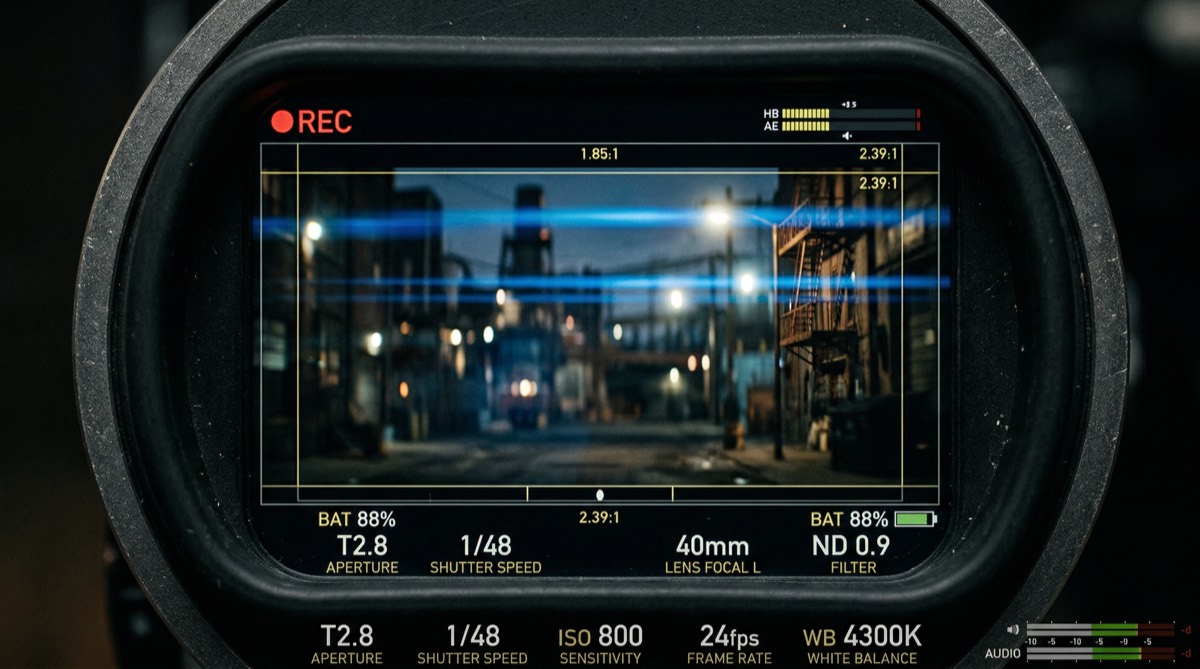
If you're an agency producer or creative director putting together a shoot in Birmingham, at some point you're going to need a camera operator. And the difference between a good hire and a mediocre one can shape the entire project. Here's what's worth considering before you book someone, from kit expectations to invoicing and what a freelance camera op actually brings to the table compared to going through a production house.
Freelance camera operator vs production company
A production company gives you a package. They'll quote a project fee that covers the camera operator, a producer, sometimes a director, and post-production. That's great for large-scale productions where you need someone managing the whole process. But for a lot of agency work, particularly interviews, case studies, social content, and event coverage, it's more than you need. And you're paying a markup for the coordination layer.
A freelance camera operator is a direct hire. You're getting the person who actually operates the camera, sets the lights, and manages the technical side of the shoot. No middleman. For agencies that already have a producer or creative lead on the project, that's often the more efficient option. You keep creative control, you reduce the budget, and you get someone who's focused entirely on the craft rather than project management.
Why own kit matters
One of the biggest practical advantages of hiring a freelance camera op who owns their own equipment is cost predictability. When a production company hires in kit, that hire cost gets passed on to you. Camera body, lenses, tripod, lighting, audio, monitors. Each item adds a line to the invoice, and those lines add up fast.
I own everything I bring to a shoot. Blackmagic URSA 12K cinema camera, a full set of cinema lenses, a motorised gimbal, wireless audio systems, LED lighting panels, and a drone. My day rate is £995, all inclusive. There's no separate kit hire invoice. No rental charges appearing after the fact. The rate covers me and everything in the cases.
For agency budgets, that matters. You can quote the client a fixed number for the camera department and know it won't move.
Working under a director
A good freelance camera operator knows how to take direction and how to contribute without overstepping. When I'm booked by an agency, my job is to serve the creative vision, not impose my own. That means I'll offer suggestions on framing, lighting, and movement if I think they'll improve the shot, but the final call sits with the director or creative lead.
I've worked under directors on commercial shoots, documentary projects, and branded content campaigns. The dynamic works best when there's a clear brief and open communication. If you tell me what the shot needs to feel like, I'll make it happen technically. If you want me to lead the visual side entirely, I can do that too. The approach flexes depending on the team.
Clean rushes and proper metadata
This is something that separates professional camera operators from enthusiasts with a nice camera. When the shoot wraps, the rushes need to be organised, correctly labelled, and delivered in a format that your edit team can work with immediately. That means proper file naming conventions, consistent colour space settings, and accurate timecode.
I shoot in Blackmagic RAW, which gives post-production maximum flexibility for grading without baking anything into the footage. Every card is backed up on location before it's wiped. Files are delivered on a drive or via transfer link with a clear folder structure. If your editor needs BRAW, ProRes, or H.265 proxies, I'll provide whatever works best for their pipeline.
Ltd company invoicing and travel
For agencies, clean invoicing is important. I operate as a limited company, which means you'll receive a proper VAT invoice with a company name and registration number. No awkward conversations about IR35 or self-assessment. It's a straightforward B2B transaction that your accounts team can process without any complications.
I'm based in Cheltenham, roughly an hour from central Birmingham. That's well within the range where travel is absorbed into the day rate. I've shot across Birmingham regularly, from creative agencies in Digbeth to corporate headquarters in the city centre and industrial locations on the outskirts. The M5 corridor makes the commute predictable.
For productions that need a multi-camera setup or a larger crew, Singularity Film can supply additional operators and equipment to match the scale of the project.
If you're putting a shoot together in Birmingham and you need a reliable camera operator with professional kit, drop me a line. I'll give you a straight answer on availability and fit.