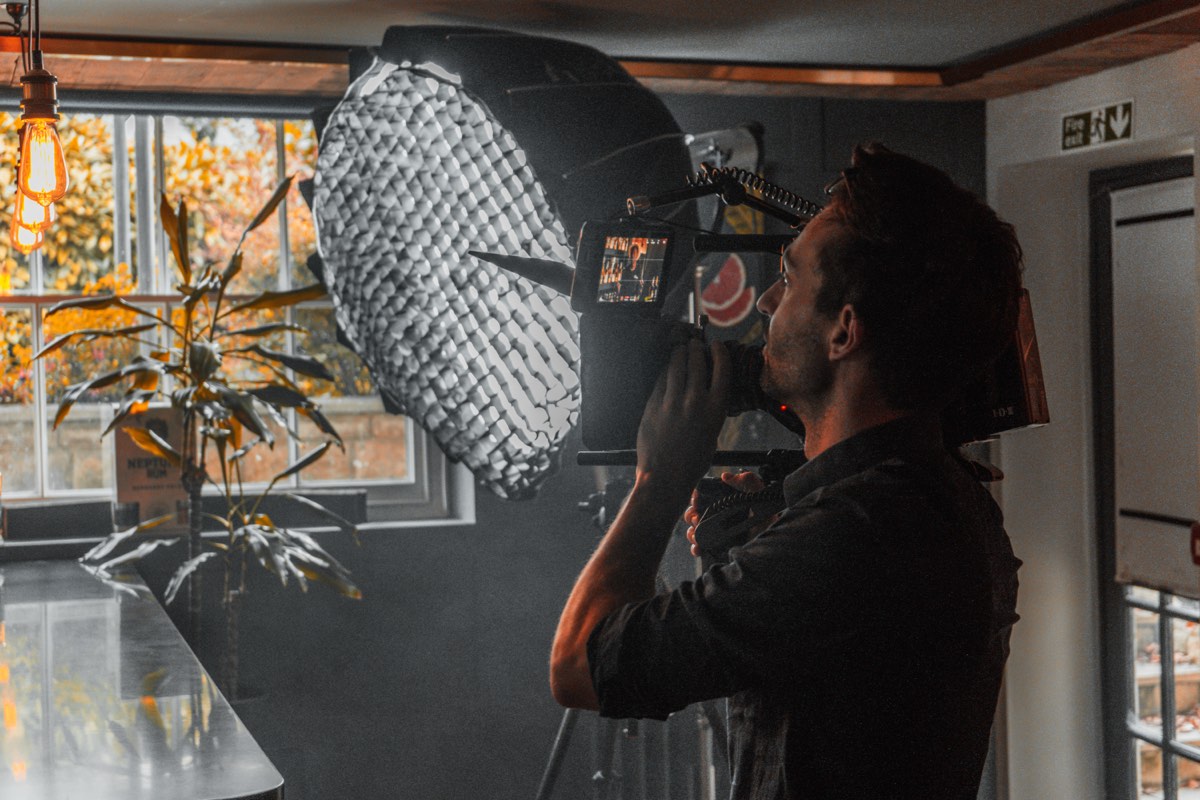
If you have never commissioned a video before, the shoot day can feel like a black box. You know it starts in the morning and ends in the evening, and somewhere in between, footage happens. But not knowing what to expect makes it harder to prepare, harder to relax on the day, and harder to judge whether things are going well or going wrong.
Here is what a typical corporate video shoot day looks like when you hire me. This is based on hundreds of shoots across corporate, commercial, and brand work. Every project is different, but the structure is remarkably consistent.
6:30am to 7:00am: the drive and the load-in
I plan to arrive at least 60 minutes before the first shot. For a 9am start with talent, that means I am on site by 8am at the latest, which means leaving home between 6:30 and 7:00 depending on the location. The vehicle is loaded the night before. Everything is cased, labelled, and packed in a specific order so that the first things I need come out first.
The kit list for a corporate day typically includes: Blackmagic URSA 12K with cine lenses, a tripod and fluid head, a slider, a gimbal, three to five LED lights with softboxes and stands, wireless lavalier microphones, a shotgun mic, cables, batteries, memory cards, a monitor, and whatever grip equipment the location needs. It is a full vehicle. On shoots that call for aerial footage, there are drone cases on top of all that.
7:30am to 8:30am: location scout and lighting setup
Even if I have recced the location beforehand, the first thing I do on arrival is walk the space again. Light changes through the day, and what looked perfect at 2pm during a recce might be completely different at 8am. I am looking at window positions, ambient light colour temperature, ceiling height, background clutter, and power socket locations.
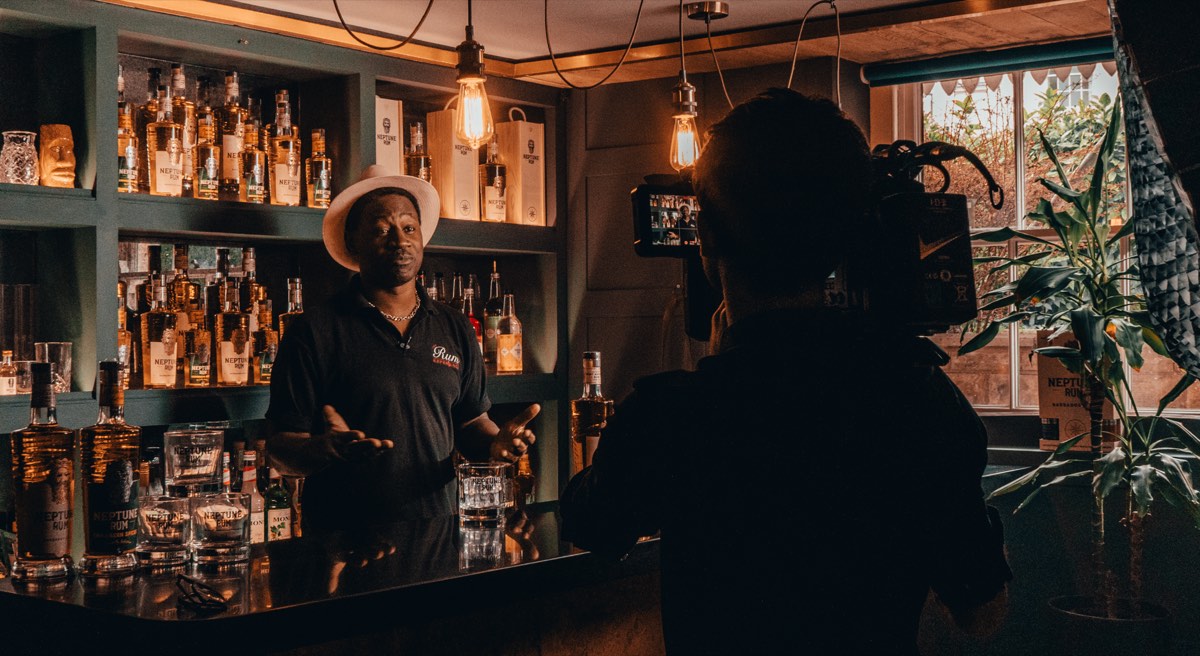
Lighting setup for a talking head interview takes 20 to 40 minutes depending on the complexity. A simple two-light setup with a key and a fill might be ready in 15 minutes. A more controlled three or four-light setup with a hair light, background separation, and practicals in frame takes longer. I am particular about this stage because it determines the quality of everything that follows. A well-lit interview looks professional regardless of what the person says. A badly-lit one looks amateur regardless of how brilliant the content is.
During this time, I also set up audio. Wireless lavalier receivers go on the camera, transmitters get tested, backup audio runs to a separate recorder. Audio problems discovered after the talent has left are unfixable, so everything gets checked twice.
8:30am to 9:00am: client arrival and walkthrough
When the client or their team arrives, I walk them through the setup. I show them the frame on the monitor so they can see exactly what the camera sees. This is the moment to flag anything: if the background is wrong, if the chair is uncomfortable, if the framing feels too tight or too wide. It is much easier to adjust now than after we have started rolling.
I also use this time to talk through the schedule for the day. Even if we have agreed a schedule in advance, confirming it face-to-face on the morning avoids confusion later. Everyone knows when they are needed, how long their segment will take, and when they are free to leave.
If you are the client: arrive when I ask you to, not an hour early. Watching the setup does not help your nerves, and it puts pressure on me to make conversation while I am trying to get the lighting right.
9:00am to 12:00pm: the morning session
This is typically the most productive part of the day. People are fresh, the energy is good, and the schedule has not started to slip yet. For a corporate shoot, the morning usually covers the most important content first. That might be the CEO interview, the hero testimonial, or the primary talking head that anchors the whole film.
A single talking head interview takes 20 to 45 minutes of rolling time, depending on how many questions there are and how comfortable the subject is on camera. But the total time in that setup, including final tweaks to lighting and position, mic check, a warm-up conversation, the actual interview, and a few pickup questions, is closer to 60 to 90 minutes.
Between subjects, I adjust the lighting and framing. Every person sits differently, has different skin tones, different heights, different glasses that reflect light in different ways. The adjustments take 10 to 20 minutes per person. This is normal and expected; it is not wasted time. It is the difference between footage where everyone looks good and footage where only the first person looks good because the lighting was set for them.
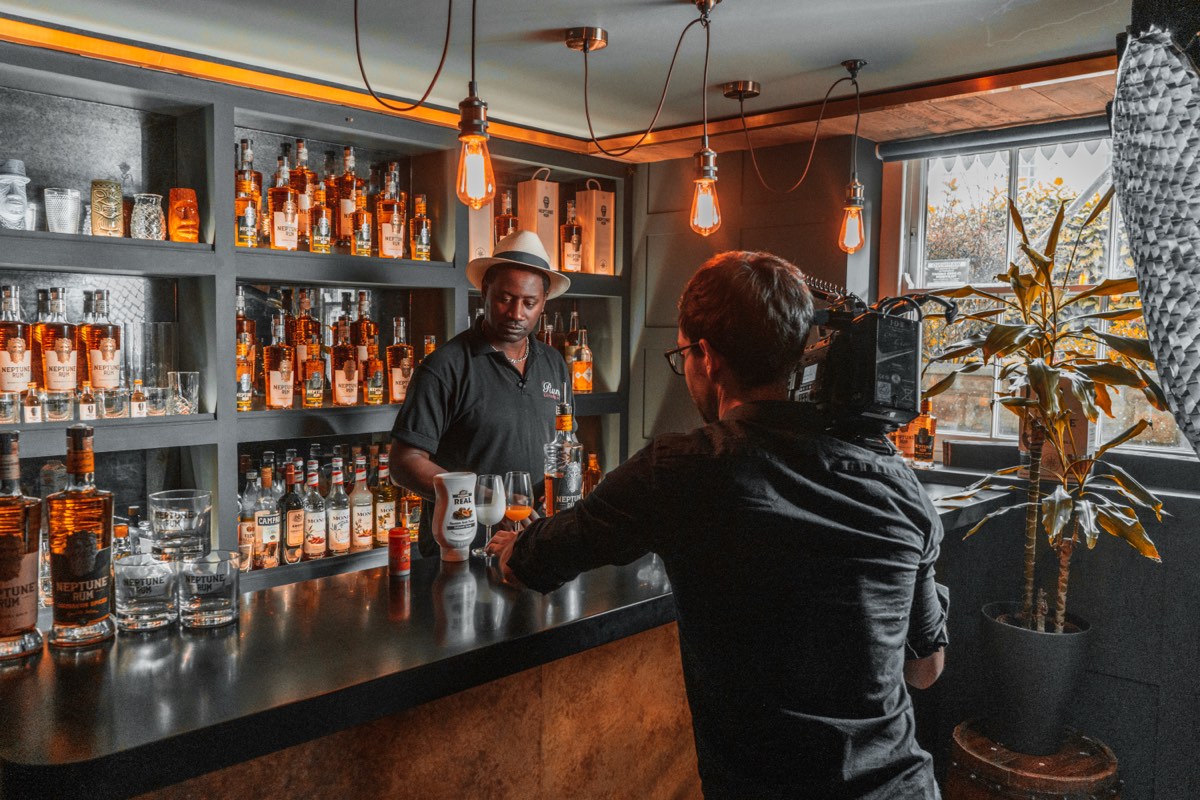
12:00pm to 12:45pm: lunch
This matters more than people think. A shoot day is physically and mentally demanding for everyone involved, not just the crew. Your staff who are appearing on camera are nervous, your marketing manager is making decisions all day, and I am operating heavy equipment for hours. A proper break in the middle keeps the quality high in the afternoon.
Forty-five minutes is the standard. Enough time to eat, check the morning's footage on the monitor, and discuss any adjustments for the afternoon. This is often when the client and I review what we have and decide whether to adjust the afternoon plan. Maybe the first interview ran long and we need to cut a B-roll setup. Maybe the light in the atrium is better than expected and we should move the next interview there instead.
1:00pm to 3:30pm: B-roll and secondary content
The afternoon usually shifts from interviews to B-roll. B-roll is the supplementary footage that covers the gaps between talking heads: people working at desks, products being used, the building exterior, team interactions, manufacturing processes, whatever visually tells the story that the interviews narrate.
Good B-roll requires a different approach from interviews. I move to handheld or gimbal for movement, swap to longer lenses for compression and shallow depth of field, and work much faster. A B-roll session might cover 15 to 20 different shots in 90 minutes. Some are set up and composed carefully; others are captured as they happen. The best B-roll often comes from moments that are not on the shot list, which is why I keep the camera ready between setups.
If the project needs drone footage, this is usually when it happens. Drone work needs specific conditions: wind under 20mph, no rain, adequate daylight, and appropriate airspace permissions. I try to schedule drone windows in the early afternoon when the light is still good but the morning priority content is already in the bag. That way, if the weather kills the drone window, we have not lost our most important footage.
3:30pm to 4:30pm: pickup shots and safety coverage
The last hour of shooting is for the things you forgot, the things that changed, and the things you did not know you needed until you saw the earlier footage. Every shoot produces these. Maybe the CEO mentioned a new product in their interview that we should get a close-up of. Maybe the natural light in the lobby has shifted to something beautiful that would make a great opening shot. Maybe a piece of B-roll did not quite work and we want another angle.
I also use this time for what I call safety shots: wide establishing shots, clean cutaways, and generic footage that gives the editor flexibility. These are the shots that save you in post when you need to cover a cut or transition between scenes. They are not glamorous, but they are essential.
4:30pm to 5:30pm: wrap and de-rig
De-rigging takes 30 to 45 minutes. Lights come down, cables get coiled, everything goes back in its case. I clean up the location and make sure it looks the way I found it. Nothing loses you a client's trust faster than leaving gaffer tape residue on their boardroom floor.
Before I leave, I do a quick card check on the monitor. I scrub through the key shots to make sure everything recorded properly, the focus is sharp, and the audio is clean. This is the last chance to catch a problem while we are still on location with the lights and the talent. It has saved me exactly twice in ten years, but those two saves were worth every other time I checked and everything was fine.
What clients can do to make the day run better
After hundreds of these shoots, the difference between a great day and a stressful one almost always comes down to preparation on the client side. Here is what helps:
- Brief your talent before the day. The people appearing on camera should know roughly what they will be asked, how long it will take, and what to wear. They do not need a script, but they should not be ambushed either.
- Assign one decision-maker. If three people from your marketing team all have different opinions about the background, we lose 30 minutes. Nominate one person to make calls on the day.
- Clear the space. If we are filming in a meeting room, make sure it is available for the full day, not just until someone else has booked it at 2pm. Reserve parking for the kit vehicle. Tell reception I am coming.
- Provide a room for kit storage. I bring a lot of cases. A spare room or corridor where I can stage equipment saves time and keeps your office clear.
- Avoid scheduling the shoot on a day with other major events. If there is building work happening, a fire drill planned, or an all-hands meeting at 11am that pulls half the staff away, the shoot will suffer.
- Trust the schedule. If I say we need 90 minutes per interview, that is not me padding the day. Rushing interviews to fit more in produces worse content across the board.
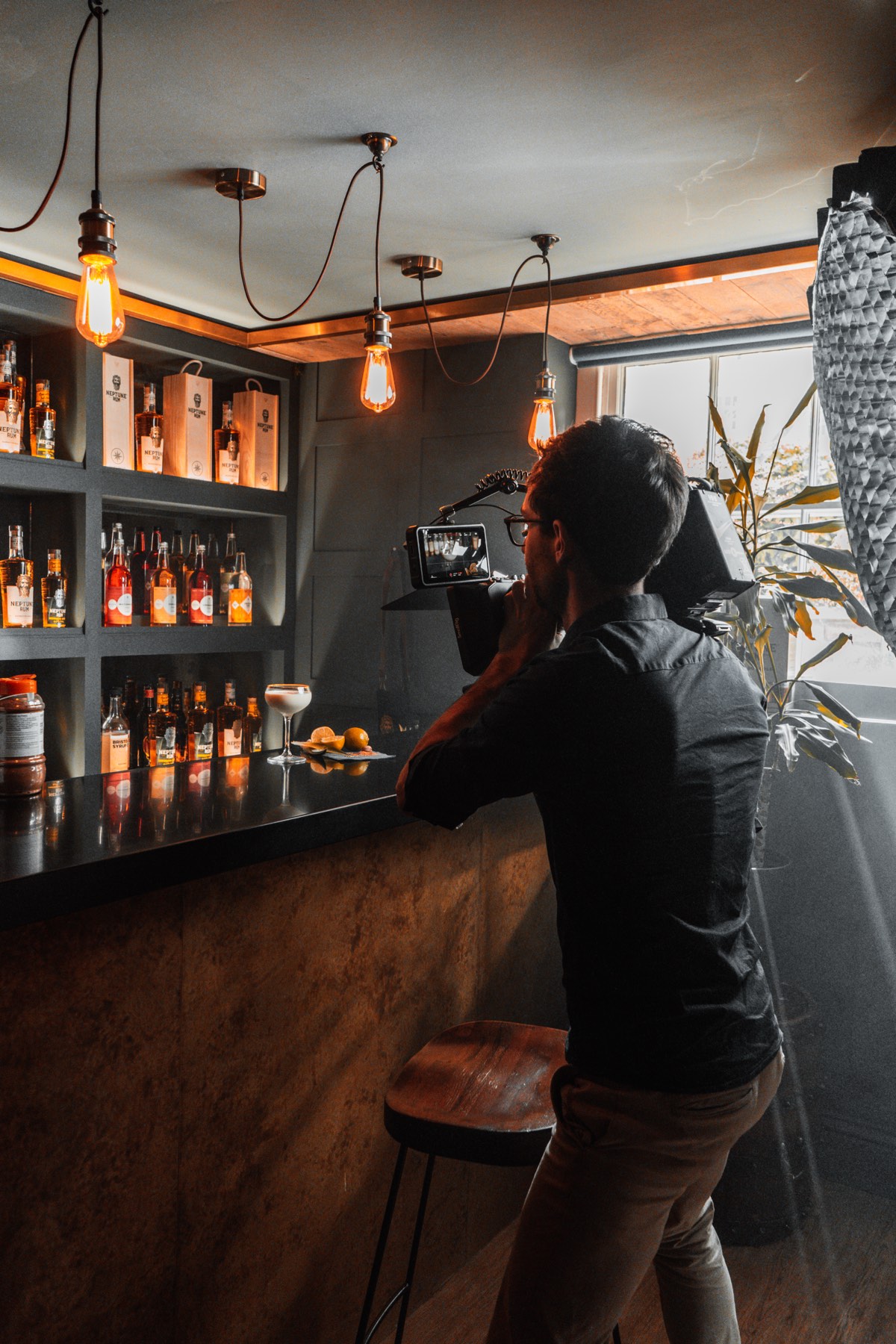
The result
A well-run corporate shoot day produces everything the edit needs. For a typical project, that might be three to five interviews, 40 to 60 B-roll clips, drone footage if applicable, and a handful of specific product or location shots. That is enough raw material for a two to three minute hero film plus several shorter cutdowns for social media.
My day rate is £995/day with all kit included. For larger productions that need multiple crew members, Singularity Film handles that scale. Post-production is quoted separately based on the edit scope and number of deliverables.
If you are planning a corporate shoot and want to know what the day would look like for your specific project, get in touch with a brief and I will put together a schedule and quote.
Related
Planning a corporate shoot?
Full lighting, cinema cameras, clean audio. £995/day, all kit included.
Get in touch