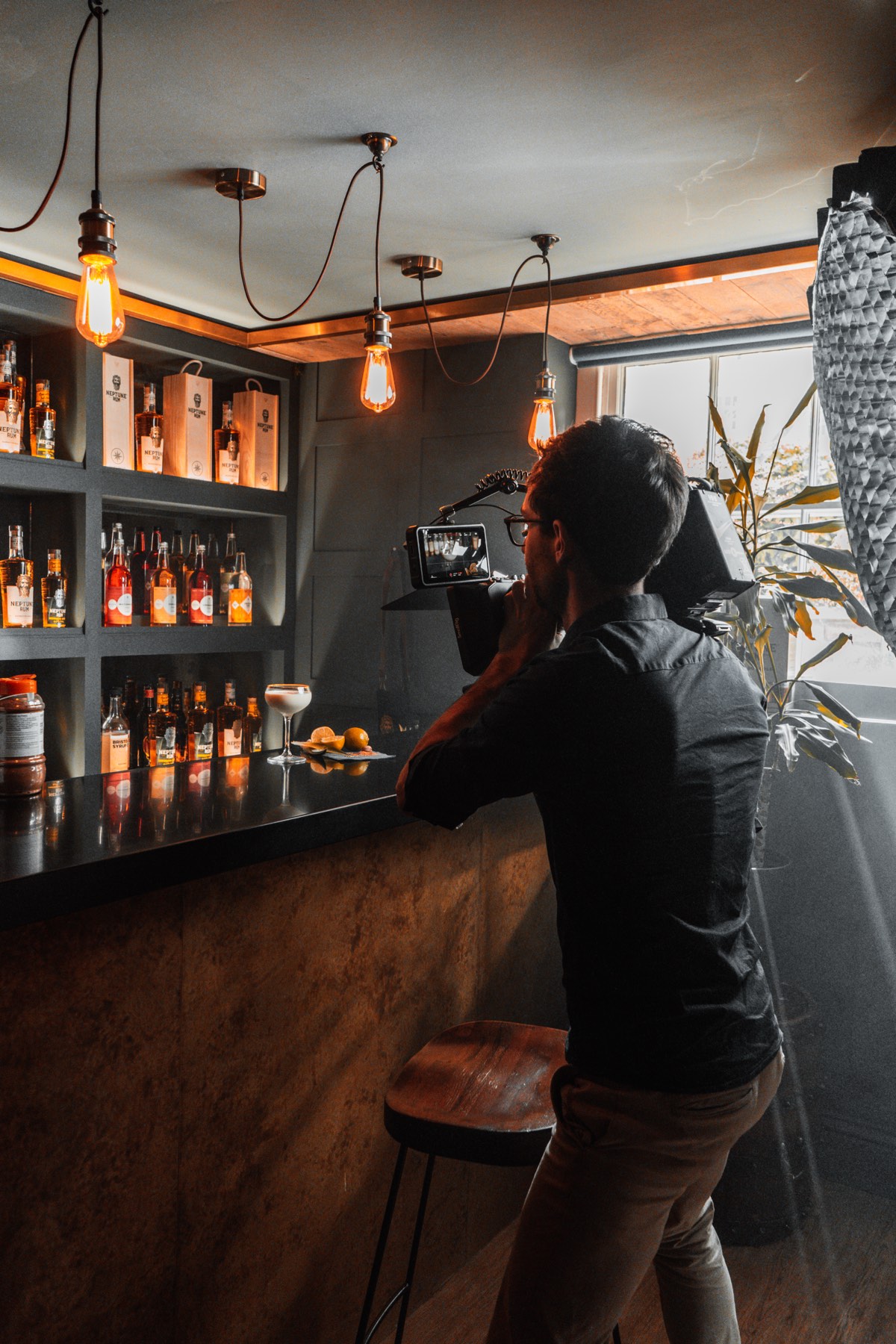
I get asked some version of this question on almost every initial call with a new client. They want video. They know they need video. But they are not clear on what kind of video they need, and the difference between social media content and a brand film is not just a matter of length or budget. It is a difference in purpose, shelf life, production approach, and how you measure success. Getting this wrong means spending money on the wrong format for the wrong objective.
Let me define both, then we can talk about when each one makes sense and how to allocate budget between them.
What social media video actually is
Social media video is content designed for a specific platform, built to perform within that platform's algorithm and viewing behaviour. It is short. It has a fast hook. It is designed to stop someone from scrolling. And it has a short shelf life. The Instagram Reel you post today will do most of its work in the first 48 hours. After a week, it is essentially invisible unless the algorithm picks it up again for some reason.
This is not a criticism. That is how the format works. Social content is high volume, high frequency, and disposable by design. The business value comes from consistency and accumulation. One Reel does not transform your brand. Fifty Reels over six months, each reinforcing the same message and visual identity, starts to build something.
The production requirements for social media video are different from other formats. You do not need cinema-grade lighting for every post. You do not need a two-day shoot. What you need is:
- Speed. The content needs to be produced and published quickly. Sitting on footage for three weeks defeats the purpose.
- Volume. One piece per month is not a social strategy. It is a gesture. You need enough content to maintain a consistent presence.
- Platform awareness. A vertical video with text overlays that works on TikTok is a different animal from a polished square video with subtitles that works on LinkedIn. Same message, different execution.
- A hook in the first second. Social video is competing with every other piece of content on the platform. If the first frame does not earn the next frame, the viewer is gone.
What a brand film actually is
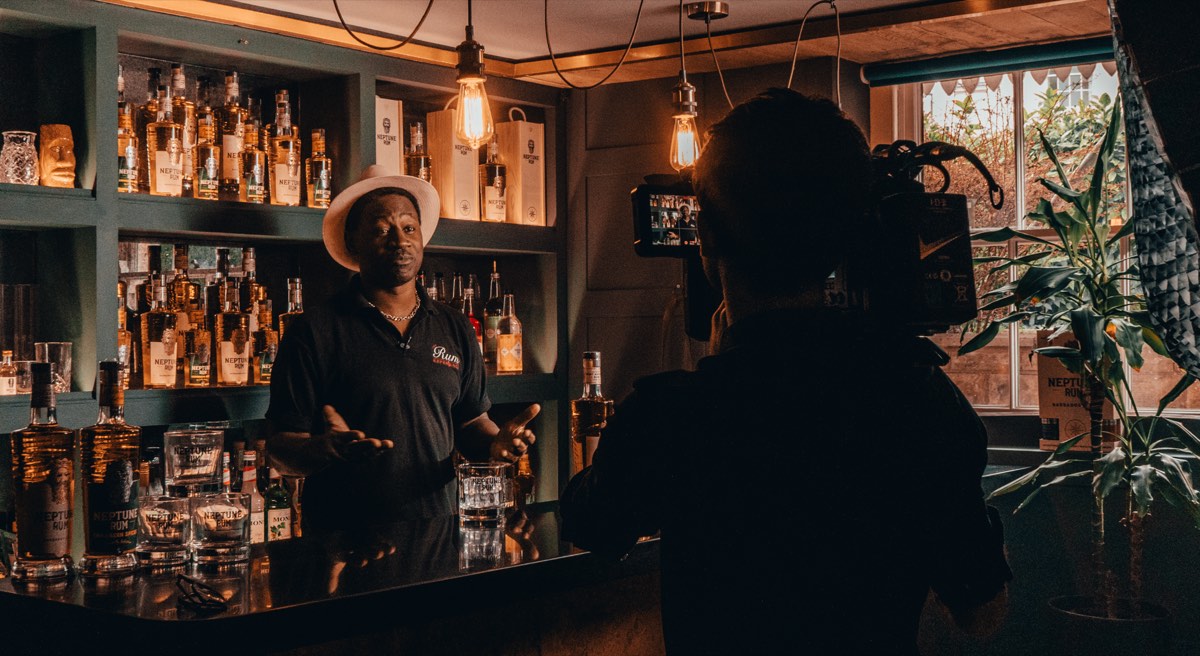
A brand film is a longer-form piece, typically between two and fifteen minutes, that tells the story of who you are, what you do, or why you do it. It is not trying to stop someone from scrolling. It is trying to hold someone's attention after they have already chosen to watch. The viewer has clicked play deliberately. They are giving you their time. The film needs to be worth that time.
Brand films are emotional. They are designed to create a connection with the viewer that goes deeper than a product feature list or a price point. They use storytelling techniques borrowed from documentary and narrative filmmaking: structure, pacing, character, tension, resolution. They are built to sit on your website, your YouTube channel, or a landing page and do work for months or years.
The production requirements are correspondingly higher. A brand film needs proper pre-production, a clear narrative structure, professional lighting and audio, considered camera work, and a thoughtful edit. It is a production, not a quick capture. And it should look and feel like one.
Why trying to make social content look like a brand film fails
This is the trap I see businesses fall into most often. They hire a videographer for a day, shoot some beautiful footage with cinema cameras and a full lighting rig, and then try to chop that footage into 15-second social clips. The clips look overproduced. They feel slow. They do not have the energy or immediacy that social platforms reward. The viewer scrolls past because the content looks like an advert, and people have been trained to scroll past adverts.
Social content works when it feels native to the platform. That does not mean it has to look amateur. It means it has to feel like it belongs in the feed alongside everything else the viewer is consuming. Over-lighting a social video, spending too long on a dramatic opening sequence, or using cinematic aspect ratios on a platform designed for vertical viewing all signal that this is a brand trying too hard, not a brand that understands the medium.
The production style for social should match the platform. Quick cuts. Direct address to camera. Text on screen. Practical lighting that looks good but does not scream production. The goal is to earn attention within the first second and deliver value within the next fifteen. That is a completely different craft from building a five-minute emotional arc in a brand film.
Why using brand film clips as social content sometimes works
The reverse approach, pulling clips from a brand film and posting them as social content, works better than you might expect. But only when you do it correctly.
A brand film contains moments of high emotional impact, strong visual sequences, and memorable lines from the people in it. Pulled out of context and presented as standalone clips with a strong text hook, these can perform well on social platforms. The quality of the footage is high. The lighting is good. The audio is clean. And the moments themselves are genuinely compelling because they were designed to be.
The key is re-editing. You cannot just trim the first 30 seconds of your brand film, add a vertical crop, and call it a Reel. You need to pull the single strongest moment, put the hook first, format it for the platform, and add text or subtitles. The social clip is derived from the brand film, but it is its own piece of content with its own structure.
When I produce a brand film, I plan the social derivatives during pre-production, not after. I know which moments will work as standalone clips, and I shoot them with both the film and the social output in mind.
The "shoot once, edit many" approach
This is the most efficient way to handle both formats without doubling your production budget. The idea is simple: plan a production day that captures footage for both your brand film and your social content library in a single shoot.
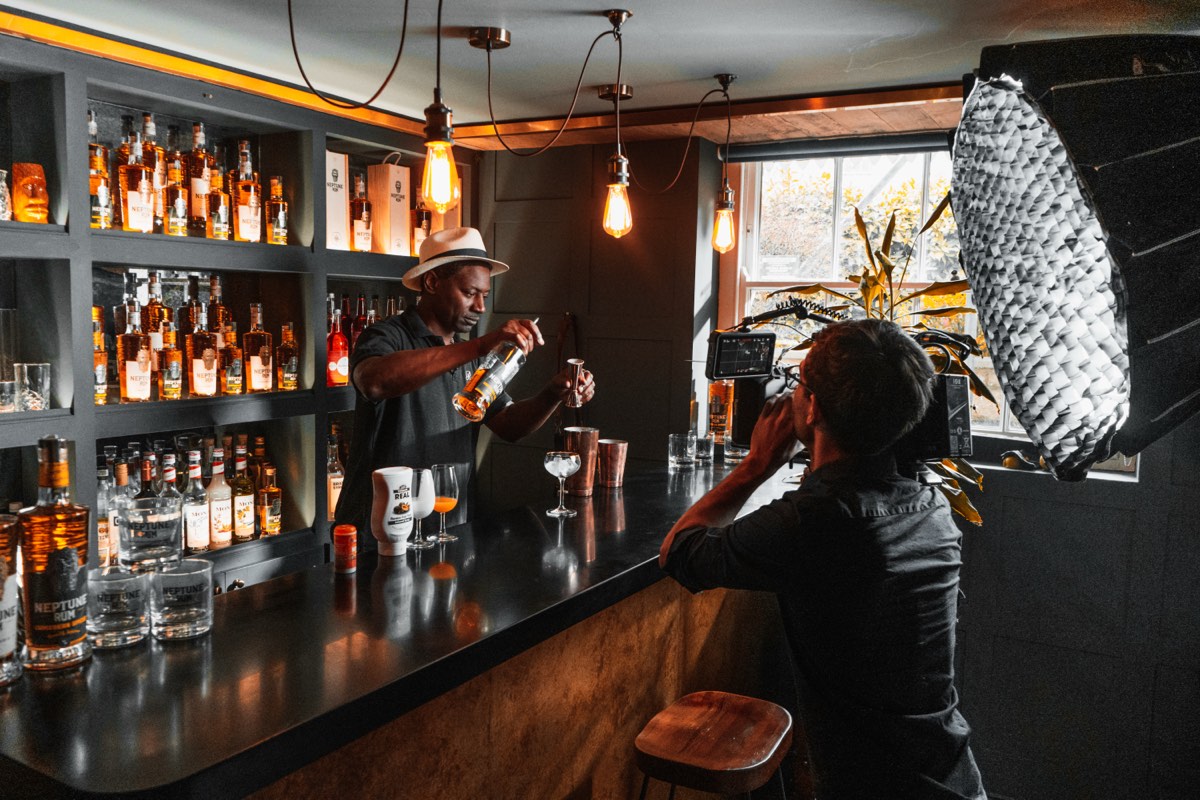
In practice, this means structuring the shoot day with both outputs in mind. While I am setting up a lighting change for the brand film, the talent can do a quick piece to camera for social. While I am shooting B-roll of the workspace for the film, I am also grabbing vertical angles and detail shots that work as social content. During interviews for the brand film, I am noting which answers would work as standalone social clips.
The result is one shoot day that produces a brand film and twenty to thirty social media assets. The brand film gets the full post-production treatment: structured edit, colour grade, sound design, music. The social content gets a faster turnaround with a simpler edit, optimised for each platform. The cost of the shoot day is amortised across a much larger volume of content.
For clients who want this approach at scale, Singularity Film runs content production days designed specifically for this purpose, with a producer on set managing the shot list to ensure both the hero content and the social library get properly covered.
Budget allocation: where to put the money
This depends on where you are as a business and what your marketing objectives are. But here are some general principles.
If you have no video at all, start with a brand film. It gives you a foundation piece for your website, a YouTube asset, and raw material for social derivatives. A brand film without social content still works. Social content without a brand film is just noise without a centre of gravity.
If you have a brand film but no social content, invest in a content day focused entirely on social production. High volume, fast turnaround, platform-specific. Use your existing brand film as the visual reference so everything feels cohesive.
If you are maintaining both, I would suggest allocating roughly 60 percent of your annual video budget to brand and pillar content (brand films, documentaries, case studies) and 40 percent to social production. The brand content is the anchor. The social content is the amplifier. You need both, but the brand content is what compounds in value over time.
The mistake most businesses make is inverting this ratio. They spend 80 percent of their budget on social content that disappears after a week and nothing on the kind of substantial, emotionally resonant content that builds long-term brand equity. Social media is important. But it is the distribution channel, not the product. The product is the story. And the story lives in the brand film.
Measuring success differently
Social content and brand films need to be measured by different metrics, and this is where a lot of businesses get confused.
Social content is measured by engagement: views, shares, comments, saves, click-throughs. These are immediate metrics. They tell you whether the content is working on the platform right now. They are useful for iterating on your social strategy, testing different hooks, and understanding what your audience responds to.
A brand film is measured by different things: time on page (if embedded on your website), view duration (if on YouTube), downstream conversions, and qualitative feedback from sales teams about whether prospects mention the video in conversations. These metrics are slower to accumulate and harder to attribute directly, but they reflect deeper engagement. Someone who watches your five-minute brand film all the way through is a fundamentally different prospect from someone who watched two seconds of your Reel and kept scrolling.
Both types of content have value. But they earn that value in different ways, over different timeframes, through different mechanisms. Treat them as separate tools with separate objectives, and you will make better decisions about where to invest.
Related
- Documentary filmmaking for brands
- Video content strategy for businesses
- Video SEO: how to get your content found on YouTube
Need a video strategy that works?
Brand films, social content, or both. Let's work out what your business actually needs.
Get in touch