I get hired by people who have never commissioned video before and by marketing teams who commission it regularly. The ones who ask good questions before booking get better results. Not because they are difficult clients, but because the conversation surfaces potential problems before they become actual problems.
Here are 15 questions I wish every client would ask before booking a videographer. For each one, I have included what a good answer sounds like and what should make you cautious.
1. Do you have public liability insurance?
Why it matters: If the videographer damages property, injures someone, or causes an incident on your premises, you need to know they are insured. Many corporate and public sector clients require proof of insurance before allowing filming on site.
Good answer: "Yes, I carry £5 million (or £10 million) public liability insurance. I can send you the certificate." A professional will have this readily available and will not hesitate to share it.
Red flag: "I do not think I need that" or "I have not got round to it yet." If they do not carry insurance, they are not operating professionally. Walk away.
2. Do you own your equipment or rent it?
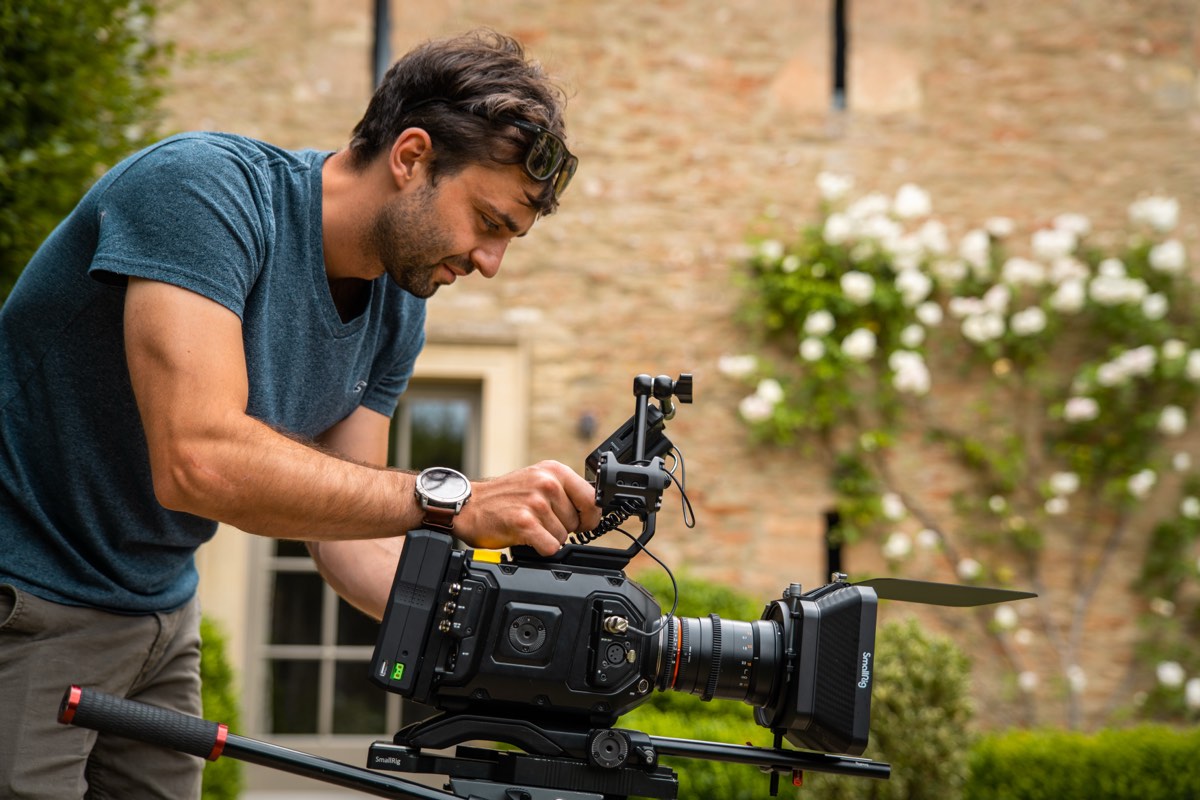
Why it matters: Videographers who own their core kit (camera, lenses, lighting, audio) generally have lower costs because they are not adding rental fees to every quote. They also know their equipment intimately, which means fewer problems on set.
Good answer: "I own all my core kit. I rent specialist items for specific projects when needed." This is standard for an established freelancer.
Red flag: "I rent everything per project." This is not necessarily a deal-breaker, but it means the cost of equipment is being passed to you, and the videographer may be less experienced with the gear if they are using different kit on every job.
3. Do you carry a backup camera?
Why it matters: Cameras fail. Cards corrupt. Batteries die unexpectedly. A videographer with a single camera body and no backup is one mechanical failure away from losing your entire shoot.
Good answer: "Yes, I always have a second camera body on set." This is a minimum for professional work.
Red flag: "I have never had a problem." That is not the point. The question is what happens when a problem eventually occurs.
4. Is lighting included in your day rate?
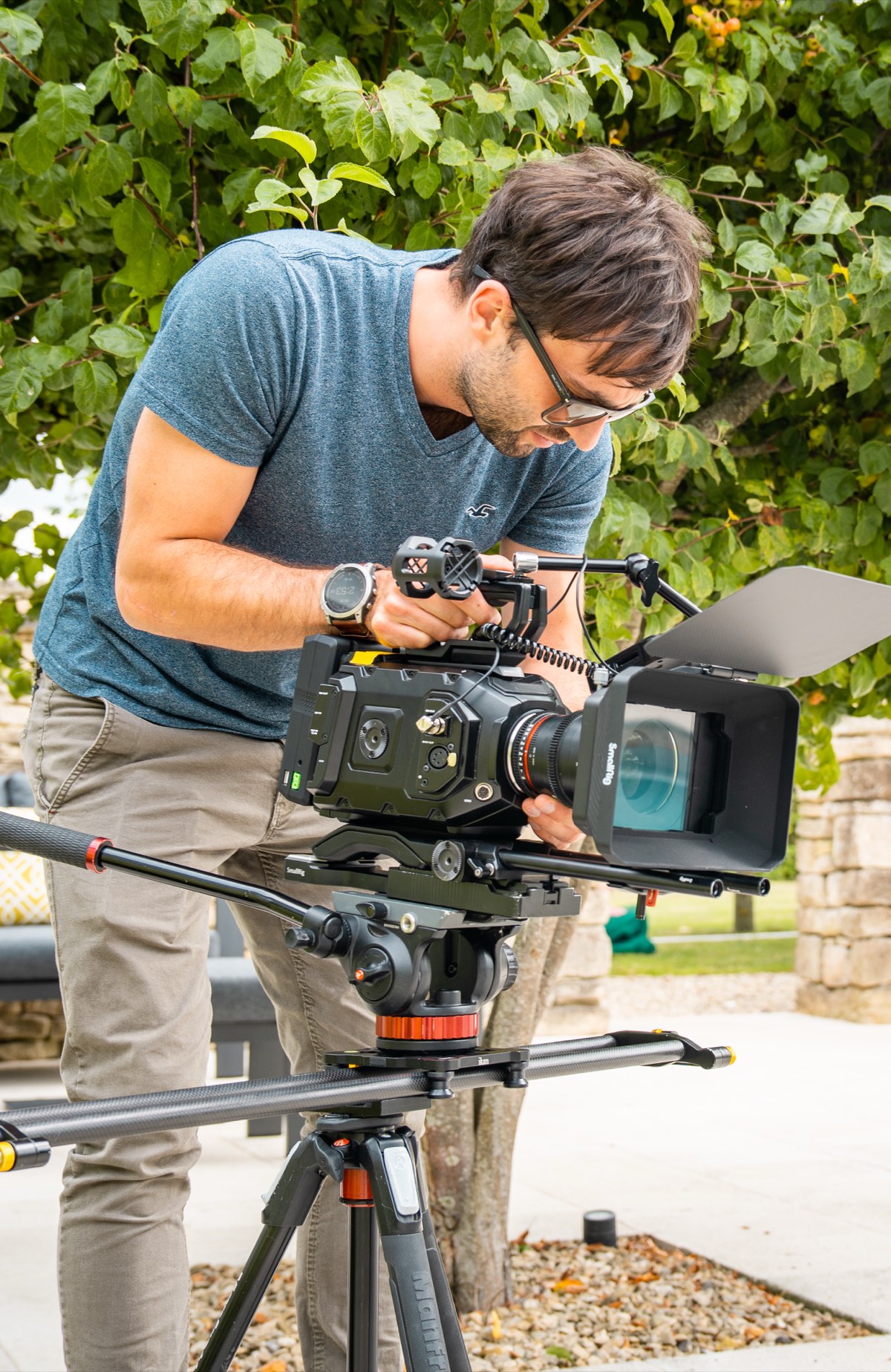
Why it matters: Some videographers include lighting in their rate. Others charge separately for it, or do not bring lighting at all. Lighting is the most important element in professional-looking video. If it is not included, you need to budget for it separately.
Good answer: "Yes, my full lighting kit is included in the day rate." This is how I operate. Everything turns up on the day, no additional charges.
Red flag: "Lighting is extra" (without specifying the cost upfront) or "I do not really use lights, I work with natural light." Natural light works for some scenarios. For corporate interviews in an office, you need controlled lighting. If the videographer does not bring it, the footage will look amateur.
5. Is editing included in the quote?
Why it matters: Some videographers quote for the shoot day only. Editing is a separate cost. Others include everything in a single package. Neither approach is wrong, but you need to know which model you are working with so you can budget accurately.
Good answer: "The shoot day is £X. Editing is quoted separately based on the deliverables we agree on." Or: "The package includes the shoot day and editing for up to X minutes of finished content." Both are professional approaches.
Red flag: Vague answers about editing costs, or no mention of editing at all. If the quote only covers the shoot and editing costs are undefined, you will get an unpleasant surprise when the invoice arrives.
6. How many revision rounds are included?
Why it matters: Every edit goes through revisions. The first cut is never the final cut. But revisions take time, and unlimited revisions can lead to scope creep that costs the videographer money and frustrates both parties.
Good answer: "I include two rounds of revisions in the edit price. Additional rounds are charged at an hourly or half-day rate." Two rounds is standard and sufficient for most projects.
Red flag: "Unlimited revisions." This sounds generous but usually means the videographer has not thought about scope management. It often leads to an adversarial dynamic where the client pushes for endless changes and the videographer becomes resentful.
7. What format will the final files be delivered in?
Why it matters: You need files that work for your intended platforms. A file optimised for YouTube is different from one for a website hero banner, an Instagram reel, or an internal presentation.
Good answer: "I will deliver in H.264 or H.265 MP4 at the resolution and aspect ratio agreed in the brief. I can provide multiple versions for different platforms." This shows they understand that delivery is platform-specific.
Red flag: "I will give you the raw files." Raw files are not finished deliverables. They need colour grading, audio mixing, and encoding before they are usable. If the videographer's idea of delivery is raw files, they are not finishing the job.
Ask for specific deliverables in writing before the project starts. Example: "One 90-second film at 1920x1080, one 30-second cut for social, one 9:16 version for Instagram Reels." Getting this agreed upfront prevents disagreements at the end.
8. Is music licensing included?
Why it matters: Every piece of published video needs licenced music unless it is silent. Music licensing costs money, and the wrong licence can result in your video being taken down or your company receiving a copyright claim.
Good answer: "I will source music from a reputable library and the licence fee is included in the edit quote" or "I budget £X for music licensing per project." Either shows they understand the legal requirement.
Red flag: "I will find something on YouTube" or no mention of music licensing at all. Using unlicensed music exposes you to copyright claims and potential legal action.
9. Do you have a drone licence?
Why it matters: If the project involves aerial footage, the pilot must hold a valid CAA Flyer ID and Operator ID. For commercial work, they should also hold an A2 Certificate of Competency or GVC. Unlicensed drone flying is illegal and can result in fines for both the pilot and the commissioning party.
Good answer: "Yes, I hold a CAA Flyer ID, Operator ID, and [A2 CofC / GVC]. I also carry specific drone insurance." They should be able to provide documentation.
Red flag: "I do not need a licence for my drone" or an inability to produce credentials. Do not hire them for drone work.
10. What is your turnaround time for editing?
Why it matters: If you have a launch date, a board meeting, or a campaign deadline, you need the finished film by a specific date. Knowing the typical turnaround prevents delays.
Good answer: "First cut within two to three weeks of the shoot. Final delivery within a week of receiving feedback." This is a realistic timeframe for most corporate projects.
Red flag: No clear answer, or "whenever I get to it." A professional operates to deadlines.
11. Who owns the finished footage?
Why it matters: This is a legal question that catches people out. In the UK, the default position is that the person who created the footage owns the copyright unless there is a written agreement saying otherwise. If you are paying for video content, you need to confirm usage rights in writing.
Good answer: "You receive a full, perpetual licence to use the finished content across all platforms. I retain copyright but grant unlimited usage rights." Or: "Full copyright transfer is included in the price." Either is workable, but you need it in writing.
Red flag: "We can figure that out later." No. Figure it out before you pay.
12. What happens if you are ill on the shoot day?
Why it matters: A sole operator with no backup plan leaves you stranded if they are ill or have an emergency. You need to know there is a contingency.
Good answer: "I have a network of trusted colleagues who can cover at short notice. If I cannot make the shoot, I will arrange a replacement of equivalent quality or reschedule at no additional cost."
Red flag: "That has never happened." It will happen eventually. The question is whether they have a plan when it does.
13. What are your cancellation terms?
Why it matters: Projects get postponed. Shoot dates move. You need to understand the financial implications of cancelling or rescheduling.
Good answer: "Cancellation more than 14 days before the shoot: no charge. Within 14 days: 50% of the shoot fee. Within 48 hours: full fee." Clear, specific, and in writing. The exact terms vary, but they should be explicit.
Red flag: No cancellation terms mentioned. This leaves both parties exposed and will cause disputes if a cancellation occurs.
14. Can you provide references or case studies?
Why it matters: A portfolio shows you what they can do technically. References tell you what they are like to work with. Both matter.
Good answer: "Yes, I can connect you with recent clients who can speak to the experience." A professional with happy clients will not hesitate to offer references.
Red flag: Reluctance to provide references, or only pointing to their showreel. A showreel shows highlights. It does not tell you about reliability, communication, or professionalism on set.
15. What do you need from us to make the shoot successful?
Why it matters: This question flips the conversation. Instead of grilling the videographer, you are asking them to tell you how to be a good client. A professional will have a clear list: access to the location, specific people available at specific times, a quiet room for interviews, parking for equipment loading, and so on.
Good answer: A detailed, practical list of requirements. This shows experience and planning ability. A videographer who can tell you exactly what they need has done this many times before.
Red flag: "Just show up and we will figure it out." That is not a plan. That is improvisation, and it produces inconsistent results.
The bottom line
These questions are not about being difficult or mistrustful. They are about having a clear, honest conversation before money changes hands. Every professional videographer should be able to answer all of these confidently and specifically. If they cannot, or if they seem annoyed by the questions, that tells you something about how the working relationship will go.
For the record: I own all my kit, carry full insurance, include lighting in my day rate, have clear revision and cancellation terms, and am happy to provide references. If you want to run through any of these questions, get in touch. For larger projects involving a production team, I work through Singularity Film.