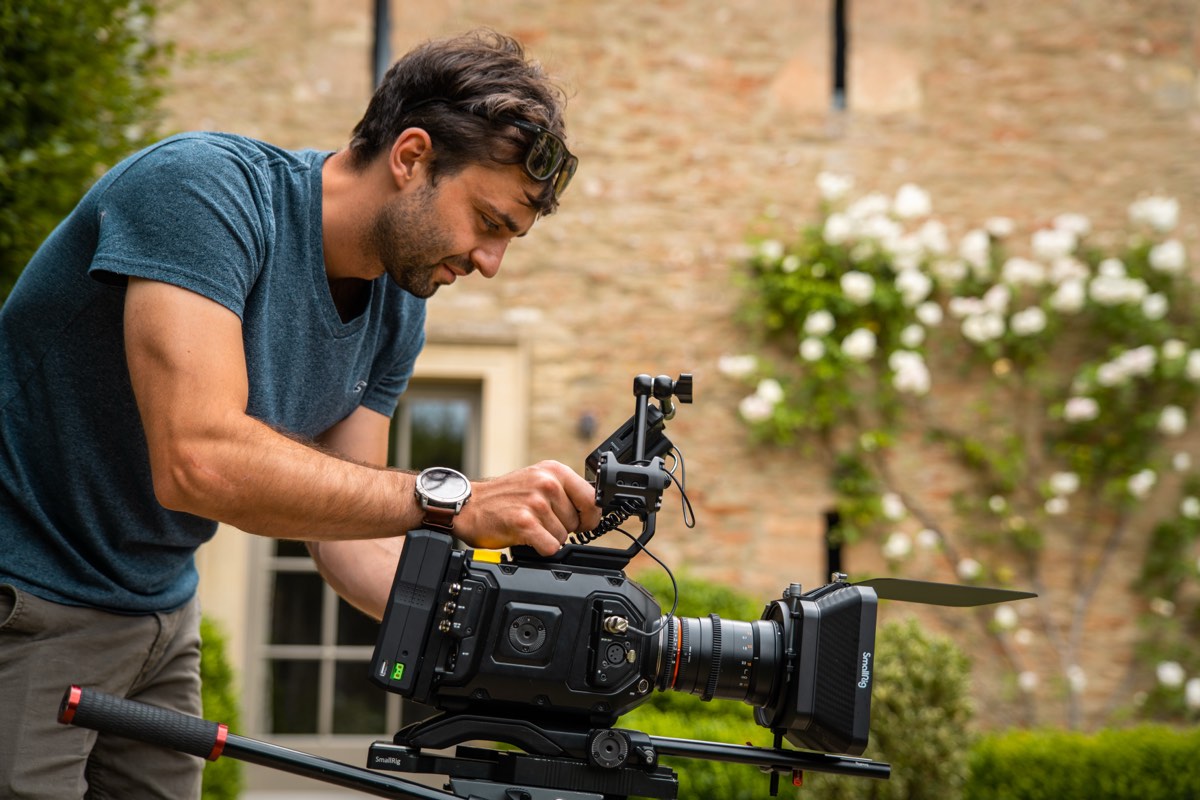
If you need a plumber, the comparison is straightforward. Does the pipe leak afterwards, yes or no? If you need a videographer, the comparison is genuinely difficult. The output is subjective. The styles are different. The pricing structures are different. And the hidden costs can turn a cheap quote into an expensive mistake faster than you think.
I have been on both sides of this. I have been the videographer being compared, and I have been the person helping clients evaluate other videographers when a project needs more than one operator. I have seen how people make these decisions, and most of the time they are comparing the wrong things.
This is a practical guide to doing it properly.
Why comparing videographers is harder than comparing tradespeople
When you hire a builder, an electrician, or a web developer, there is an objective standard you can measure against. The wall is straight or it is not. The code works or it does not. Video is different. Two videographers can shoot the same brief and produce two completely different films, and both could be good. Or one could be technically better but tonally wrong for your brand.
The problem is that most buyers do not have the vocabulary or the framework to articulate what makes one piece of video work and another fall flat. So they default to comparing on price. Price is easy to compare. It is also the least useful comparison you can make at this stage.
Before you compare a single quote, you need to understand what you are actually evaluating. That starts with the portfolio.
How to read a portfolio properly
Every videographer's showreel contains their best work. That is the point of a showreel. It tells you almost nothing about what your project will look like, because your project is not going to be their best ever project. It might be, but you cannot plan on that basis.
Here is what to look at instead:
- Look at the worst work, not the best. Scroll past the showreel. Look at the individual project pages. Look at the client testimonials. Look at the smaller jobs. The floor of someone's work tells you far more than the ceiling. If the worst thing on their site is still solid, you are in good hands.
- Check consistency. Can they do one thing well repeatedly, or did they get lucky once? Five decent brand films in a row means more than one brilliant short film and a lot of mediocre corporate work.
- Look for work similar to your brief. If you need talking head interviews and their portfolio is all drone montages, that should give you pause. The skills are related but not identical. Someone who shoots beautiful aerials may not know how to light an interview or direct a nervous CEO.
- Watch with the sound off. Does the footage still look professional? Good colour, controlled lighting, steady composition? Then watch with sound on. Is the audio clean? These are two separate skill sets and both matter.
A portfolio is a curated selection. Ask to see a full, unedited project if you want the real picture. Any videographer worth hiring will be comfortable showing you a complete piece of work.
Breaking down quotes: what should be included and what should not
This is where most comparisons go wrong. Two quotes arrive. One says £600. The other says £995. The £600 looks cheaper. But the £995 includes lighting, cinema cameras, audio, travel, a full edit with two revision rounds, and licensed music. The £600 is the shoot day only. Editing is extra. Music licensing is extra. Travel over 20 miles is extra. Lighting? Not included because they do not carry any.
Here is what a complete quote should cover:
- Camera and kit. What camera system are they shooting on? Do they own it or are they hiring it in? Hire costs get passed to you.
- Lighting. This is the most commonly omitted item. If the quote does not mention lighting, ask whether they carry it. If they do not, your footage will rely entirely on whatever the location provides. For corporate work, that is usually bad news.
- Audio. Wireless lavalier mics, a dedicated audio recorder, or just the on-camera mic? This matters enormously for any project with dialogue or interviews.
- Travel. Is travel included? Is there a mileage radius? Is there a separate charge for early starts or late finishes?
- Edit and post-production. How many edit days are included? How many revision rounds? What is the cost of additional revisions?
- Music licensing. Is licensed music included in the deliverable, or do you need to source and pay for that separately?
- Deliverable format. How many finished videos are you getting? In what formats? At what resolution?
Get all of this in writing before you compare anything. A quote without a scope is not a quote. It is a guess.
Day rate tiers in the UK: what you actually get at each level
Day rates in the UK video industry sit roughly in four bands. Here is what each tier typically looks like, based on what I see across the industry.
Around £300/day. This is someone starting out, or someone treating video as a side income. The camera is likely a consumer mirrorless body. There is probably no lighting kit. Audio might be an on-camera shotgun mic. The edit will be functional but basic. For simple social media content where the bar is low, this can work. For anything that represents your brand in a serious way, it is a risk.
Around £600/day. This is a working videographer with reasonable equipment and some experience. They probably own a decent camera, carry basic audio, and can deliver a clean edit. You might get a light or two, but not a full package. This tier is solid for events, simple brand content, and projects where the brief is clear and the conditions are forgiving.
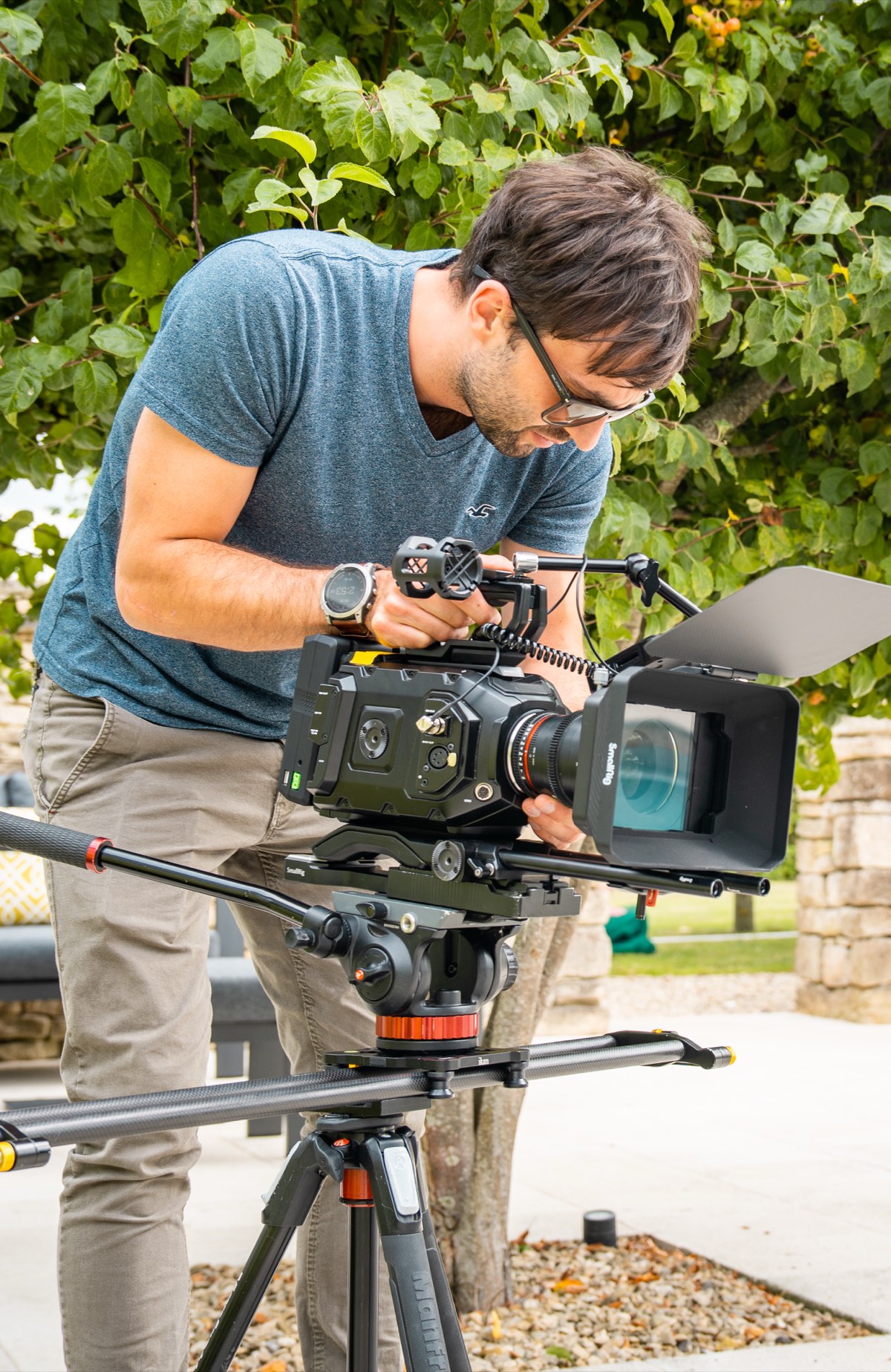
Around £995/day. This is where I sit. At this level, you should expect cinema-grade camera systems, a full lighting package, professional audio, and the experience to handle complex shoots without additional crew. The edit quality steps up significantly. You are paying for someone who has invested heavily in their equipment and has enough experience to solve problems on set without needing to reshoot.
£1,500/day and above. This is either a very experienced specialist or a small production team billing as a single day rate. At this level, you might be getting a camera operator plus a producer, or a director of photography with broadcast credits. The work at this tier is often indistinguishable from television production. If your project demands that level, the spend is justified. If it does not, you are paying for capability you will not use.
The tier that gives you the worst return is usually the gap between £300 and £600. You pay more than the entry level but do not yet get the equipment or experience that makes a visible difference.
Red flags: what to watch for
Not every warning sign means you should walk away, but a cluster of them should make you pause.
- No insurance. Public liability insurance is non-negotiable for professional work. If they do not carry it, they are not operating as a professional business. Some venues and clients require proof of insurance before you step on site.
- Consumer cameras. There is nothing wrong with consumer cameras for personal projects. For paid commercial work, a client should expect a professional camera system. If they are shooting your brand film on the same camera they take on holiday, ask why.
- "Unlimited revisions." This sounds generous. In practice, it means one of two things: either they will do a poor first edit knowing you will ask for changes, or they will become increasingly resentful with each round and the quality will drop. Defined revision rounds protect both parties.
- No contract. A written contract protects you and protects them. It defines deliverables, timelines, payment terms, and usage rights. If someone is unwilling to put the arrangement in writing, that tells you something about how they handle disagreements.
- No process. A professional videographer should be able to walk you through their process from brief to delivery. If the answer to "what happens next?" is vague, the project management will be vague too.
Green flags: what good looks like
On the other side, here is what tells you someone is worth their rate:
- They own cinema cameras. Owning the kit means they know it inside out. No fumbling with a hire camera they have used twice before. It also means no surprise hire costs on your invoice.
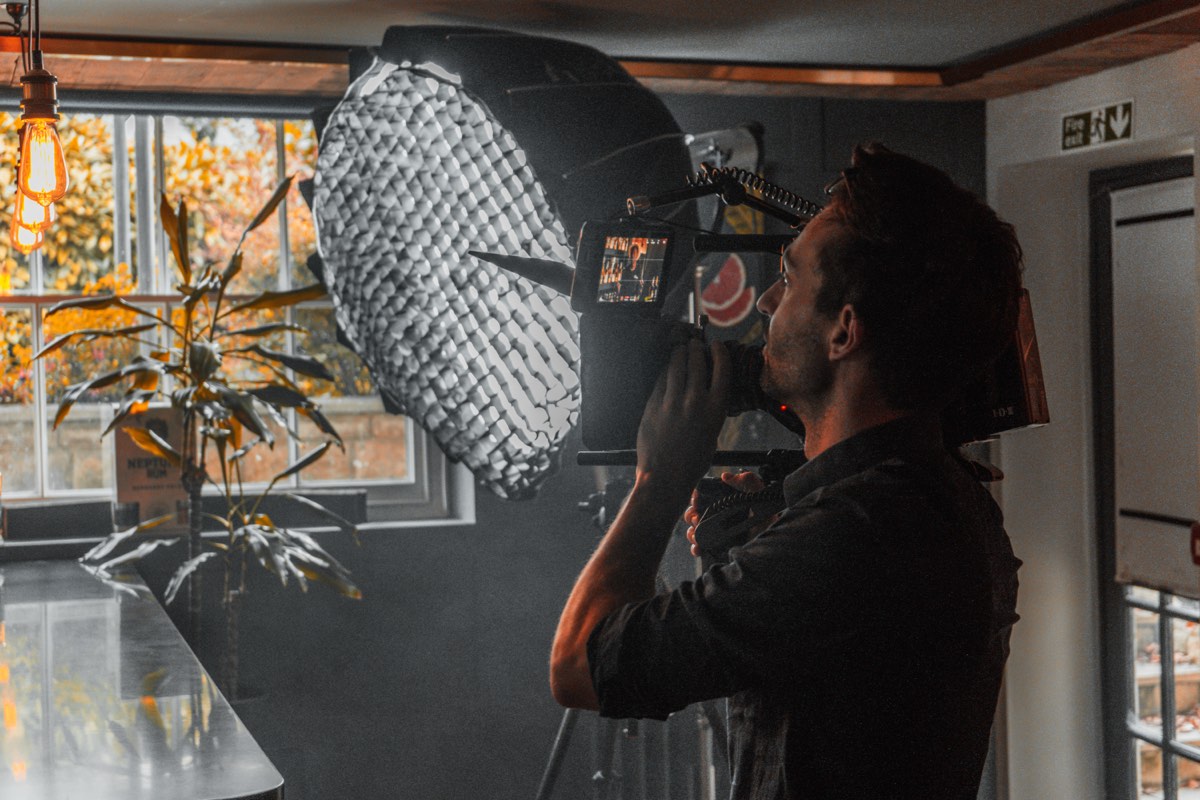
- They carry lighting. Lighting is heavy, expensive, and awkward to transport. If someone has invested in a proper lighting package and brings it to every shoot, they care about the quality of the image. Full stop.
- They are insured. Public liability, equipment insurance, professional indemnity. This is the cost of doing business properly.
- They have a clear process. Brief, pre-production, shoot, edit, revisions, delivery. If they can explain this without hesitation, they have done it enough times to have a system.
- Clean rushes. Ask to see raw footage from a previous shoot. If the ungraded, unedited footage already looks controlled and intentional, you are looking at someone who gets it right in camera rather than fixing problems in post.
The beer test
This sounds flippant but it is genuinely important. A shoot day is long. It is often ten or twelve hours in close quarters with someone you have just met. If the videographer is going to be directing your team, putting your CEO at ease on camera, or representing your brand on a client's premises, the interpersonal dynamic matters.
Would you want to spend a full day on set with this person? Do they listen? Do they communicate clearly? Do they seem like someone your team would be comfortable around?
On-set chemistry is not a bonus. It is a requirement. A technically brilliant videographer who makes everyone on set uncomfortable will produce worse results than a good videographer who puts people at ease. The best footage comes from people who feel relaxed, and that is the videographer's job to create.
If you can, have a phone call or a video call before you commit. Not just to discuss the brief, but to get a read on the person. You will know within ten minutes whether the working relationship will be easy or hard.
Why the cheapest quote is almost always the most expensive choice
I have seen this play out dozens of times. A company gets three quotes. They pick the cheapest. The shoot happens. The footage is flat, poorly lit, with inconsistent audio. The edit takes forever because the raw material is not good enough to cut together cleanly. The company ends up either accepting a mediocre result or paying someone else to reshoot the whole thing.
The total cost of the "cheap" option: the original fee, plus the time your team spent on a wasted shoot day, plus the cost of the reshoot or the opportunity cost of publishing weak content. It would have been cheaper to hire the right person first.
I am not saying you should always pick the most expensive quote. I am saying that the cheapest quote deserves the most scrutiny, not the least. If someone is significantly cheaper than everyone else, find out why. It might be because they are new and building their portfolio, which is legitimate. It might be because they are cutting corners you have not thought to ask about.
The right videographer for your project is the one whose style matches your brief, whose process gives you confidence, whose equipment matches the demands of the shoot, and whose rate reflects the value they bring. That might be the middle quote. It might be the highest quote. It is almost never the lowest one.
If you want to discuss a project and work out what the right approach looks like, I am always happy to have that conversation. Even if I am not the right fit, I will tell you honestly and point you somewhere better. You can reach me through Singularity Film or directly here.
Related
- Questions to ask before hiring a videographer
- Videographer day rates in the UK
- Hire a freelance videographer
Need a videographer you can compare against?
Cinema cameras, full lighting, clear pricing. One conversation to find out if it is a good fit.
Get in touch