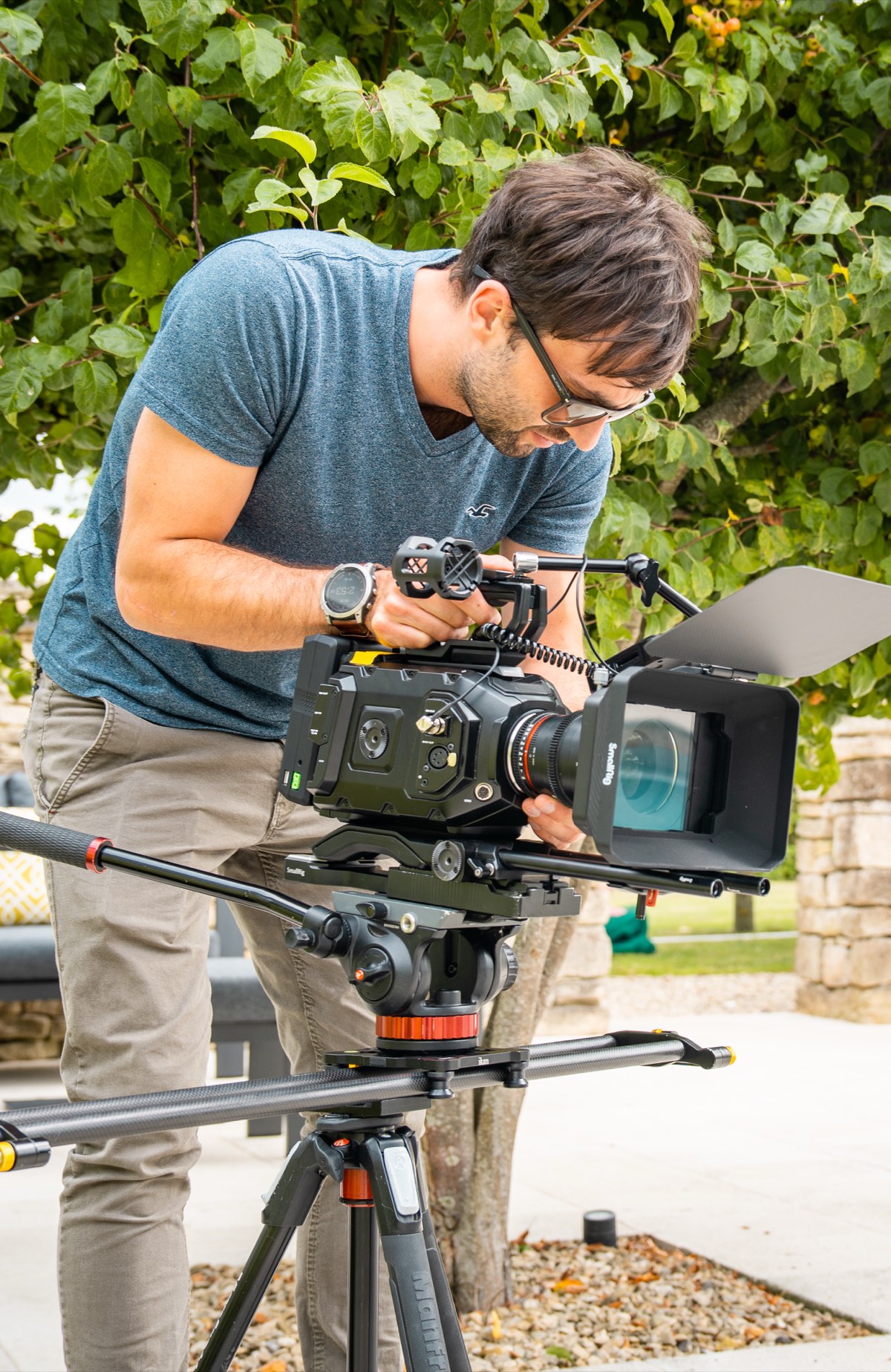
You need a video. You search online. You find forty videographers within an hour's drive. Their websites all look professional. Their showreels all feature slow-motion shots and sweeping drone footage set to moody music. Every one of them claims to be passionate about storytelling. And you have absolutely no idea how to tell which one is actually going to deliver something good for your business.
I have been on both sides of this. I am a working videographer, so I understand what separates good operators from average ones. But I also commission video work myself when a project needs additional crew, so I have sat where you are sitting, trying to compare portfolios and quotes that all look similar on the surface. Here is what I have learned about making that decision well.
Look at their worst work, not their best
Every videographer's showreel is their greatest hits. It is curated, graded, and edited to make the best possible impression. This tells you their ceiling but not their floor. What you need to know is what the average output looks like, because that is what you are most likely to receive.
Instead of watching the showreel on repeat, look for full project case studies. If they have a portfolio page with complete videos rather than highlight clips, watch those. Pay attention to:
- Audio quality. Can you hear the person speaking clearly? Is there background noise, echo, or inconsistent levels? Bad audio is the most common sign of an inexperienced operator, and it is the hardest thing to fix in post.
- Lighting consistency. Do all the shots in a single video look like they belong together, or do some look flat and overlit while others are dark and murky? Consistent lighting across a project means the person knows how to control their environment.
- Editing pace. Does the video hold your attention or does it feel padded? A well-edited two-minute video will always outperform a poorly edited five-minute one. Look for whether the editing serves the story or just fills time.
- Relevance to your project. If you need a corporate interview and their portfolio is entirely wedding films and music videos, that is not a match. The skills are different, the equipment requirements are different, and the on-set manner is different.
Reading quotes properly
You will receive quotes that range from 300 to 3,000 for what sounds like the same project. The price difference is real, and understanding what is behind it will save you from both overpaying and underpaying.
What should be included in a day rate:
- The videographer's time on shoot
- Camera, lenses, and basic audio (at minimum)
- Travel within a reasonable radius
- Backup storage of footage
What is often quoted separately:
- Editing and post-production
- Colour grading
- Music licensing
- Additional deliverable formats (vertical cuts, short edits for social)
- Additional crew (sound recordist, second camera operator)
- Specialist equipment (drone, gimbal, lighting)
The trap that catches most people is comparing a headline day rate without checking what is included. A 400/day quote that excludes lighting, audio, editing, and grading will end up costing more than a 995/day quote that includes all of that. Ask for the total project cost, not just the day rate. And make sure the quote specifies how many rounds of revisions are included in the edit.
If a quote does not mention lighting at all, ask about it. A videographer who does not carry their own lights is relying on whatever the location provides, and the results will reflect that.
The difference between a videographer and someone with a camera
This sounds harsh, but it is the fundamental distinction in the market. A camera and a computer are cheaper than they have ever been. That means there are more people offering video services than at any point in history. Some of them are excellent. Some of them bought a camera six months ago and set up a website.
The things that separate a professional videographer from someone with a camera:
- Lighting. A professional carries lights and knows how to use them. This is the single biggest differentiator. A well-lit interview shot on a mid-range camera looks better than a badly lit interview shot on a 30,000 cinema camera. Every time.
- Audio. A professional carries proper microphones, wireless transmitters, and a recorder or preamp. They monitor audio with headphones during the shoot. If someone is not listening to the audio while recording, they are guessing.
- Pre-production. A professional asks questions before the shoot day. They want to see the location, understand the brief, and plan the shot list. Someone who just turns up on the day and wings it is not planning for your success.
- Insurance. Public liability insurance, professional indemnity insurance, and equipment insurance. If they cannot provide certificates for these, they are not operating professionally. If their drone hits something on your property and they are not insured, you have a problem.
- Post-production skills. Shooting is only half the job. The edit, colour grade, and sound mix are where raw footage becomes a finished video. A professional has a structured workflow for this and can show you examples of their grading and editing work specifically.
Communication red flags
How someone communicates before you book them is a reliable indicator of how they will communicate during the project. Watch for these patterns:
Slow to respond. If it takes five days to reply to your initial enquiry, expect similar delays during the edit review process. Busy is fine. Unresponsive is a problem.
Vague about deliverables. If you cannot get a clear answer about what you are receiving, how many edits, in what format, and by what date, that ambiguity will not resolve itself after you have paid the deposit.
No questions about your project. If they quote you a price without asking about your audience, your goals, or your intended use for the video, they are not thinking about your project. They are just filling a slot in their calendar.
Defensiveness about feedback. You can sometimes gauge this in initial conversations. If they seem uncomfortable with the idea of revisions or client input, that is a sign that the edit process will be difficult.
No contract. A professional videographer works with a written agreement that covers scope, payment terms, deliverables, timelines, and usage rights. If someone asks you to pay without a contract, walk away. The contract protects both of you.
Does geography actually matter?
Less than you might think, but more than zero.
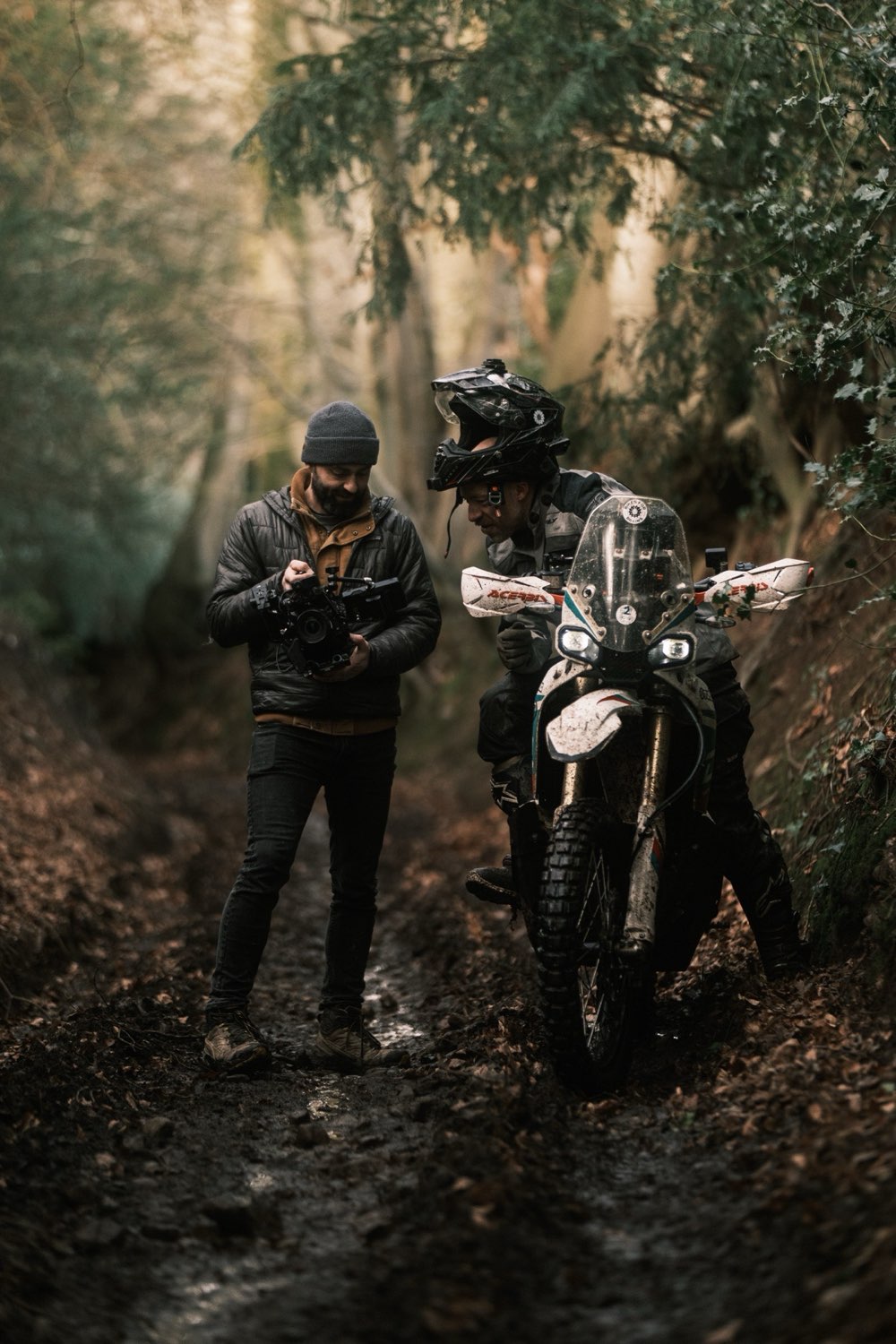
A videographer based two hours away can still shoot your project efficiently. Travel costs might add 50 to 150 to the invoice, but if their work is significantly better than what is available locally, that is money well spent. For a multi-thousand-pound video project, the travel cost is a rounding error.
Where geography matters is for recurring work. If you need monthly social content or regular event coverage, having someone nearby reduces friction. They know your space, they know your team, and they can respond quickly when you need something at short notice.
For one-off projects, choose the best person for the job regardless of where they are based. For ongoing relationships, proximity is a bonus.
What separates a 400/day operator from a 995/day one
This is a question I get asked regularly, and the honest answer is that the difference is not always visible in the final output. Sometimes a cheaper operator delivers great work. Sometimes an expensive one delivers mediocre work. But on average, the higher rate reflects several things:
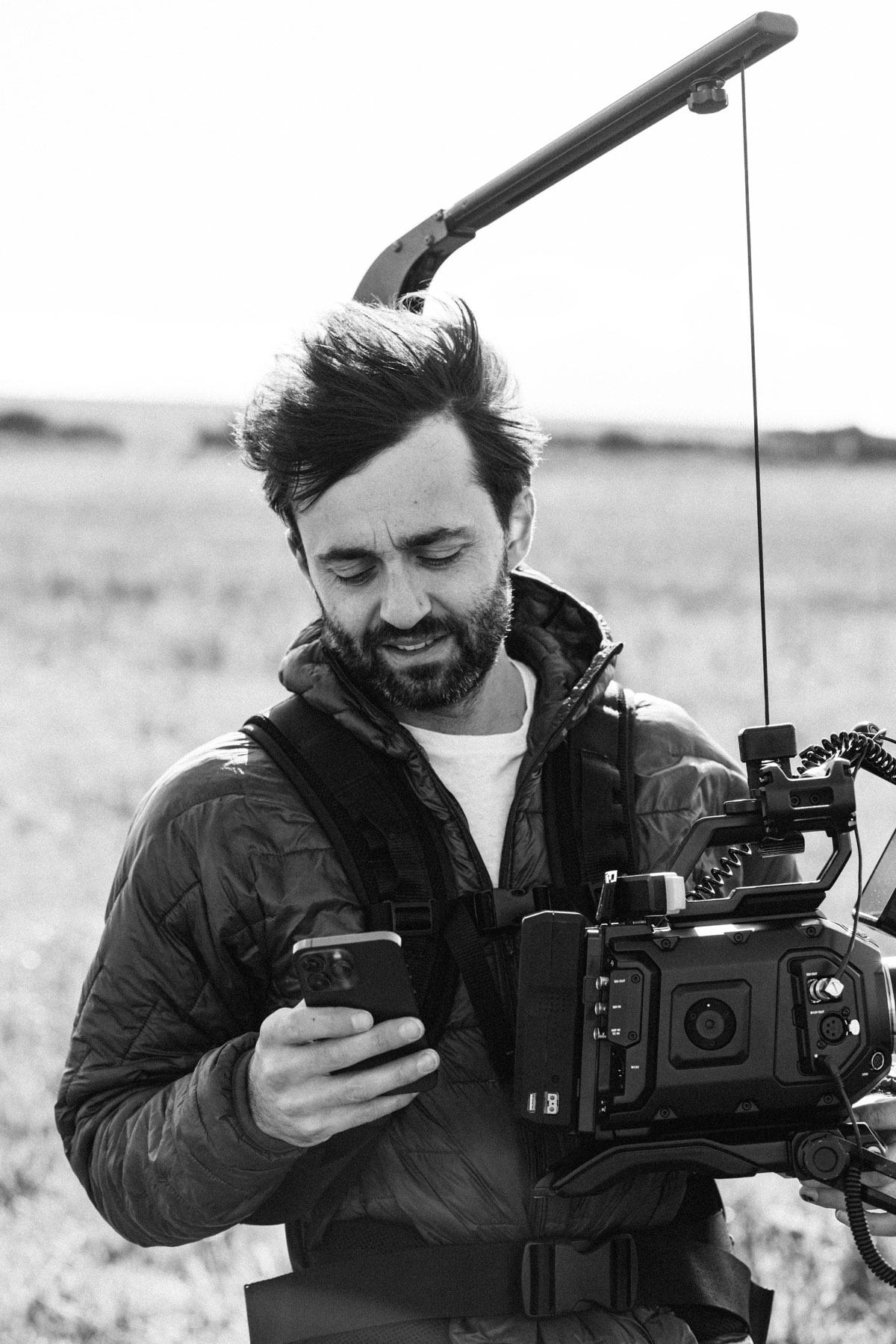
Equipment. A 995/day operator is likely shooting on a cinema camera with proper lenses, carrying a full lighting package, using professional audio gear, and bringing backup equipment. A 400/day operator might be shooting on a consumer mirrorless camera with a kit lens and an on-camera microphone. The ceiling for what each setup can produce is fundamentally different.
Experience. The higher rate typically reflects more years of work, a deeper understanding of how to manage a shoot, and the ability to solve problems on the day without it affecting the output. An experienced operator stays calm when things go wrong, adapts quickly, and delivers consistent results regardless of conditions.
Post-production quality. The edit, grade, and mix from a more experienced operator will generally be more polished. They have developed their eye for colour, their sense of pacing, and their technical workflow over years of practice.
Reliability. At the higher end, you are more likely to get someone who runs their business professionally: prompt communication, clear contracts, on-time delivery, and a reputation they are invested in maintaining.
None of this means you should automatically choose the most expensive option. It means you should understand what the price difference represents and make a decision based on what your project needs.
Trial projects
If you are planning a significant video investment and you are not sure about a videographer, consider commissioning a small trial project first. A single talking head video or a short social media piece is a low-risk way to evaluate their process, communication, quality, and reliability before committing to a larger production.
A good videographer will welcome this. They know that delivering well on a small project leads to larger ones. If someone refuses a trial project or seems offended by the suggestion, that tells you something about how they view the relationship.
Asking for references
This is underused. Ask for two or three client references and actually call them. The questions that give you useful information:
- Was the final video delivered on time?
- How was the communication during the project?
- Were there any unexpected costs?
- How did they handle feedback and revisions?
- Would you hire them again?
The last question is the most telling. A polite but hesitant "probably" is very different from an enthusiastic "absolutely."
Making the final decision
After evaluating portfolios, comparing quotes, checking references, and having initial conversations, the decision often comes down to feel. Do you trust this person to understand your business and represent it well on screen? Do they seem genuinely interested in your project or are they just looking for the next booking? Did they ask smart questions about your audience and goals?
The videographer you hire is going to spend a day or more embedded in your business, interacting with your staff, and shaping how the outside world sees your company. Technical skill matters, but so does the working relationship. Choose someone whose work you admire and whose approach you feel comfortable with.
If you are weighing up options and want a straightforward conversation about what your project needs, get in touch. For larger productions requiring multiple crew members and a production management layer, Singularity Film handles that scale.
Related
- Questions to ask before hiring a videographer
- Videographer day rates in the UK
- Hire a freelance videographer
Looking for a videographer?
Cinema cameras, full lighting, clean audio. Transparent pricing and clear communication.
Get in touch