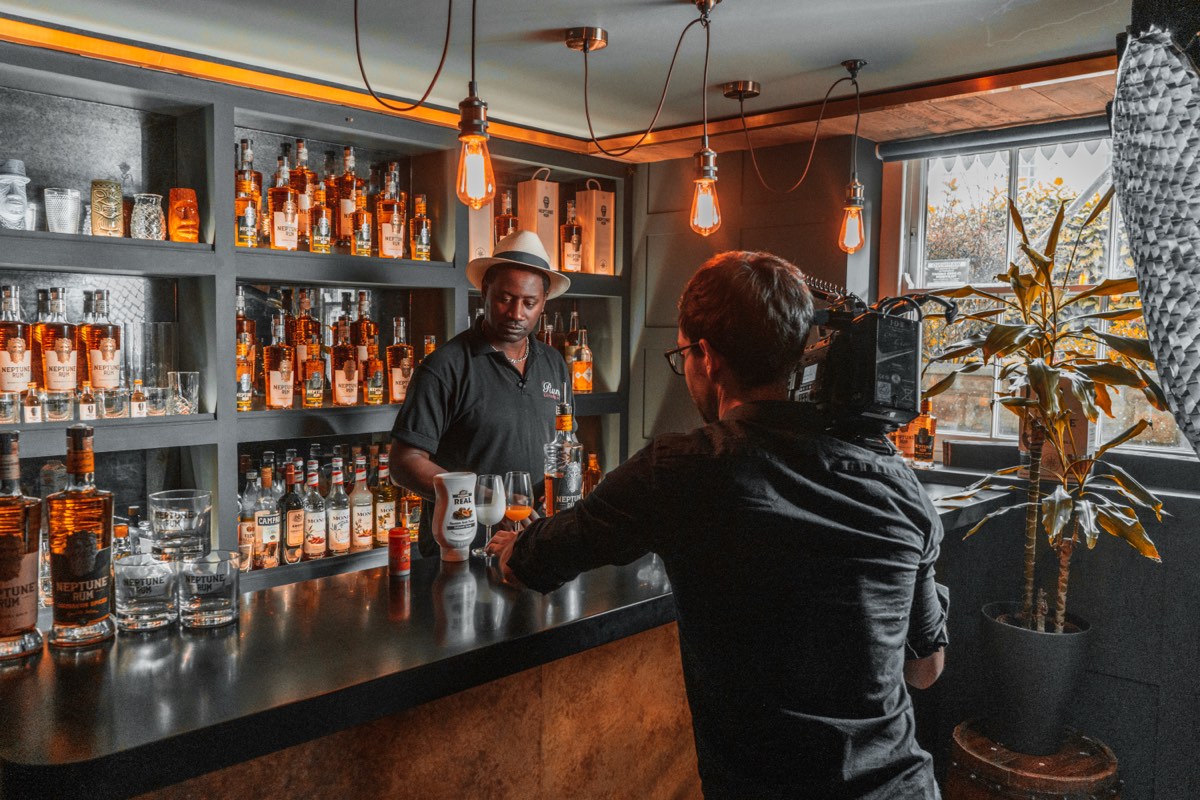
If you are the person in your company responsible for organising a video shoot, this article is for you. Not for the videographer. Not for the marketing director who commissioned the project. For you, the person who has to actually make it happen on the day. The one sending the calendar invites, fielding the wardrobe questions, managing the nervous CEO, and trying to keep the whole thing running to schedule while everyone around you asks whether they really have to do this.
I have been on hundreds of these shoots. The difference between one that runs smoothly and one that descends into chaos has almost nothing to do with the videographer or the equipment. It comes down to preparation. And most of that preparation is about managing people, not managing technology.
Set expectations before the day
Most anxiety about being on camera comes from not knowing what to expect. If the first time your team learns what is happening is when they walk into a room full of lights and a camera pointed at a chair, you have already lost them. Their stress response has fired, and it will take thirty minutes of reassurance to bring them back down to a level where they can speak naturally.
Send a brief to everyone who will be on camera at least a week before the shoot. Keep it short and practical. It should cover:
- What the video is for. People are more willing to participate when they understand the purpose. "We are making a recruitment video to attract better candidates" is more motivating than "We are doing a video shoot on Tuesday."
- What they will be asked to do. Will they be answering interview questions? Speaking directly to camera? Just being filmed doing their normal work? Each of these requires a different level of preparation and creates a different level of anxiety. Be specific.
- How long their involvement will be. Most people drastically overestimate how long they will be on camera. Tell them it will take twenty to thirty minutes (or whatever the actual time is), and they will relax significantly. Tell them nothing, and they will assume it will consume their entire day.
- What to wear. I will cover this in detail below, but the brief should include basic guidance so people are not panicking about wardrobe the morning of the shoot.
What to wear (and what not to wear)
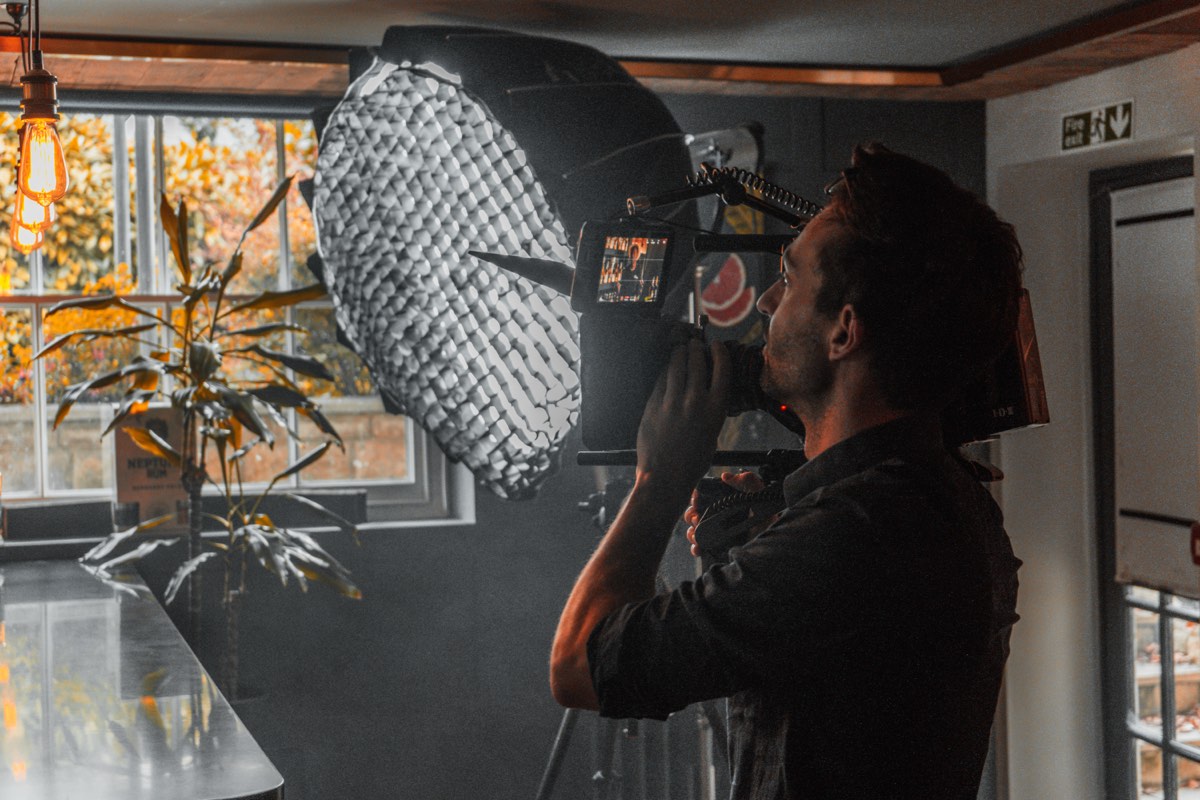
Wardrobe questions generate more anxiety than almost anything else about a video shoot. Here are the guidelines I send to every client, and you are welcome to copy them directly into your internal brief:
- Solid colours work best. Avoid tight patterns, thin stripes, herringbone, and small checks. These create a visual artefact on camera called moire, where the pattern appears to shimmer and move. It is distracting and cannot be fixed in post.
- Avoid pure white and pure black. Bright white shirts and tops create exposure problems, especially under controlled lighting. They draw the eye away from the face. Very dark black absorbs all detail and creates a floating head effect. Mid-tones, muted colours, and darker shades that are not quite black all work well.
- Wear what you would normally wear to work, but the slightly better version of it. If you usually wear a shirt, wear your best shirt. If you usually wear a jumper, wear a clean one in a solid colour. The goal is to look like yourself, not like someone wearing a costume for a video.
- Avoid large logos or branding unless that is specifically what the video is about. They date quickly and distract from the face.
- Bring a backup option. If something does not work on camera, having a second choice available saves time.
How to talk to camera naturally
This is the single biggest concern people have, and the answer is counterintuitive: do not try to be good on camera. The harder someone tries to perform, the stiffer and more unnatural they become. The best on-camera performances come from people who forget the camera is there.
My approach is to never have someone speak directly to the lens unless they are experienced and comfortable doing so. Instead, I place myself just beside the camera and have a conversation with them. They look at me, not the lens. The camera captures them in a natural conversational state, making eye contact with a person rather than staring into a glass circle. This produces footage that feels warm and authentic because it is. They are genuinely talking to someone, not performing for a machine.
For the person organising the shoot, the most helpful thing you can do is tell your colleagues this in advance: you will be having a conversation, not delivering a presentation. Nobody expects you to memorise lines. Nobody expects you to be perfect on the first take. We will do multiple takes, and the best moments will be selected in the edit. Everything else gets deleted. Nobody will ever see the take where you stumbled over a word or forgot what you were saying.
I always start with a question that has nothing to do with the video. How was your weekend? What did you have for lunch? What is the best holiday you have been on? By the time they have answered, they have forgotten they are being filmed, and we can move into the real questions with that same relaxed energy.
The warm-up questions I use
This is something I have developed over years of interviewing people who are not professional speakers. Before I ask any of the real questions, I run through a set of warm-up prompts that serve a dual purpose: they relax the subject, and they often produce genuinely useful content that makes the final edit.
The warm-up goes something like this:
- Tell me your name and your role, just so we have it on tape. (This is low-stakes and gets them used to hearing their own voice in the room.)
- How long have you been here? (Easy factual answer. No pressure.)
- What did you do before this? (Slightly more personal. Gets them talking about themselves, which most people can do without overthinking.)
- What is the best part of your job? Genuinely, the thing you actually enjoy, not the corporate answer. (This is where they start to relax because I have given them permission to be honest rather than performative.)
By the fourth question, they are typically speaking naturally, making eye contact, using their hands, and forgetting about the camera. That is when I start asking the real questions. The transition is seamless because they are already in a conversational flow.
Scheduling: the mistakes everyone makes
The most common scheduling mistake is overbooking. You have five people to interview, so you book them all for 9am and assume it will take the morning. It will not. Here is how the time actually breaks down:
Setup: I need one to two hours before the first person arrives to set up lighting, frame the shot, test audio, and solve any problems with the location. Do not schedule the first interview at 9am if I am arriving at 9am. Schedule it for 10:30 or 11.
Per person: Allow 30 to 45 minutes per interviewee. That includes greeting them, getting them settled, fitting their mic, running through the warm-up, shooting the interview, and letting them leave without feeling rushed. Trying to do five people in five 20-minute slots produces stressed subjects and worse footage.
Buffer time: Build 15 minutes between each person. I need to review what we have, adjust the lighting if the next person is significantly taller or shorter, and mentally reset. Back-to-back interviews with no gap produce diminishing returns because both the interviewer and the videographer lose sharpness.
The CEO slot: Do not book the CEO first. Book them third or fourth. By then, I have found my rhythm with the questions, the lighting is dialled in, and I can give them a faster, more efficient experience. Also, and I say this with respect, do not book the CEO for two hours. They will not give you two hours, and the pressure of knowing they are running over will make the whole experience worse. Thirty minutes is usually enough. Forty-five if they are enjoying it.
Dealing with camera-shy employees
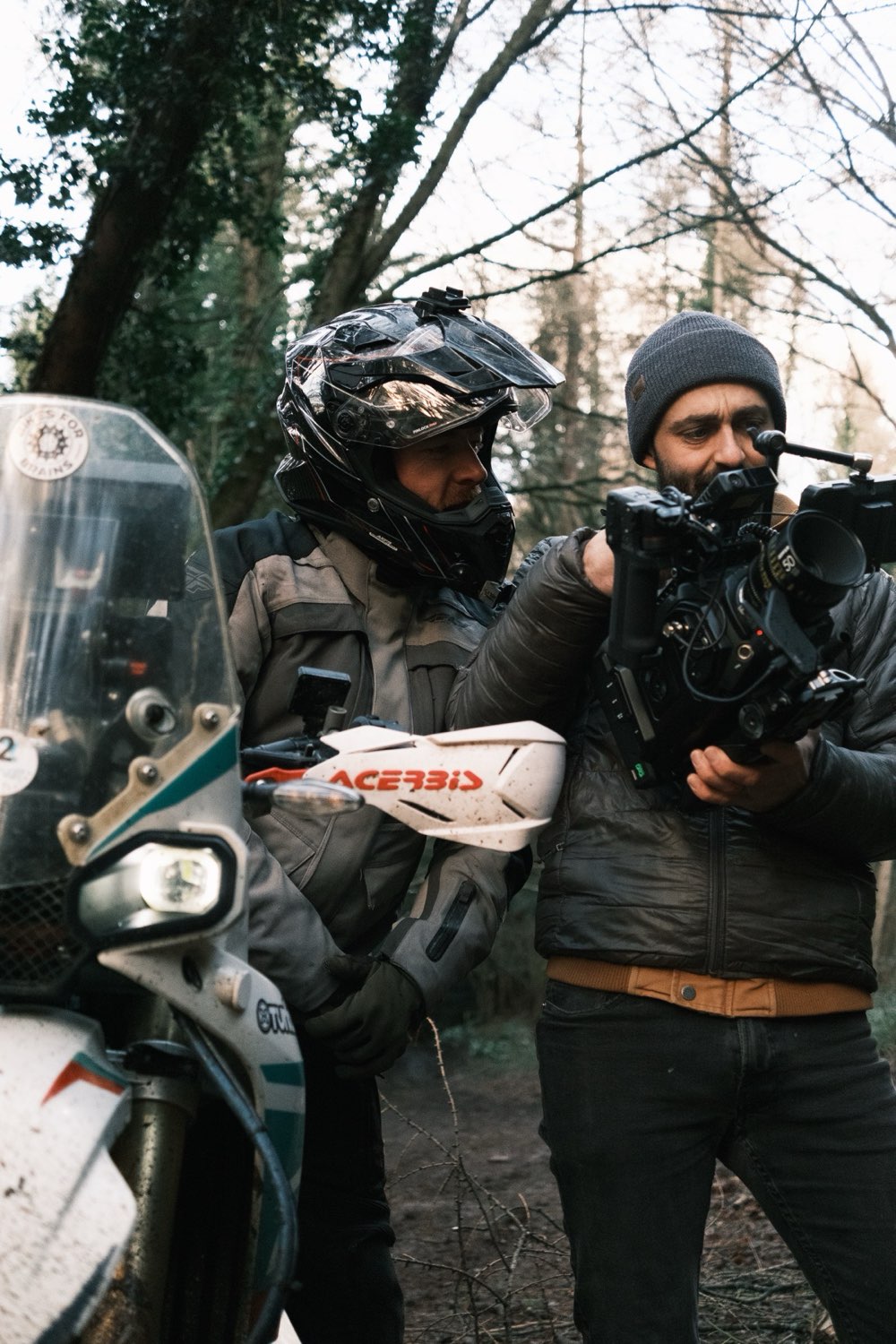
Some people genuinely do not want to be on camera, and that is their right. Forcing someone to participate produces terrible footage and damages trust. However, in my experience, most people who say they do not want to do it are not fundamentally opposed. They are just nervous. And nervousness is manageable.
Here is what works:
- Give them control. Tell them they can stop at any time. Tell them they can ask for any answer to be redone. Tell them they will see the footage before it is published (if that is true and you are willing to offer that). People relax when they feel they have an exit.
- Pair them with someone they trust. If two colleagues are comfortable together, interview them as a pair. The dynamic between them produces natural, relaxed footage, and the pressure is shared.
- Start them on B-roll. Have them do their normal job while I film them working. No talking, no direct attention. Once they have been around the camera for twenty minutes and nothing bad has happened, the fear subsides. Then you can ask if they would be willing to answer a few questions.
- Do not use the word "interview." Call it a conversation. Call it a chat. The word "interview" triggers a formality response that makes people stiffen up.
Practical logistics: the small things that matter
These are the details that the person organising the shoot needs to handle, and that most people forget until the morning of:
- Water. Put a glass of water within reach of anyone being filmed. Dry mouth is a real problem when people are nervous, and pausing to get water from a kitchen two floors away kills momentum.
- Temperature. Lighting equipment generates heat. If the room is already warm, it will get warmer. Turn the heating down or the air conditioning up before the shoot starts, not after someone starts sweating on camera.
- Noise. Walk through the space and listen. Can you hear traffic? A printer? The kitchen? The HVAC system? These are all things that a microphone will pick up and a human ear filters out. If possible, turn off anything that makes noise in or near the filming space.
- Phone policy. Ask everyone to put their phones on silent. Not vibrate. Silent. A phone buzzing on a desk in the middle of a good answer is a take-ruiner.
- Food. If the shoot runs through lunch, have food available. Not in the filming space, but nearby. A hungry team is a grumpy team, and a grumpy team produces flat footage.
- A quiet space nearby. People waiting for their slot need somewhere to wait that is not in the filming room. Standing in the corner watching someone else being interviewed makes the next person more nervous, not less.
For larger productions with multiple locations, a producer on set, and more complex scheduling, Singularity Film handles that coordination. For single-day shoots, the guidelines above will cover everything you need. And if you are the person organising it and feeling nervous yourself, know that the videographer has done this many times and the day will go more smoothly than you expect. Your job is to prepare the people. My job is to make them look good on camera. Between us, it works.
Related
Planning a shoot day?
Full lighting, relaxed approach, natural footage. Your team will be fine.
Get in touch