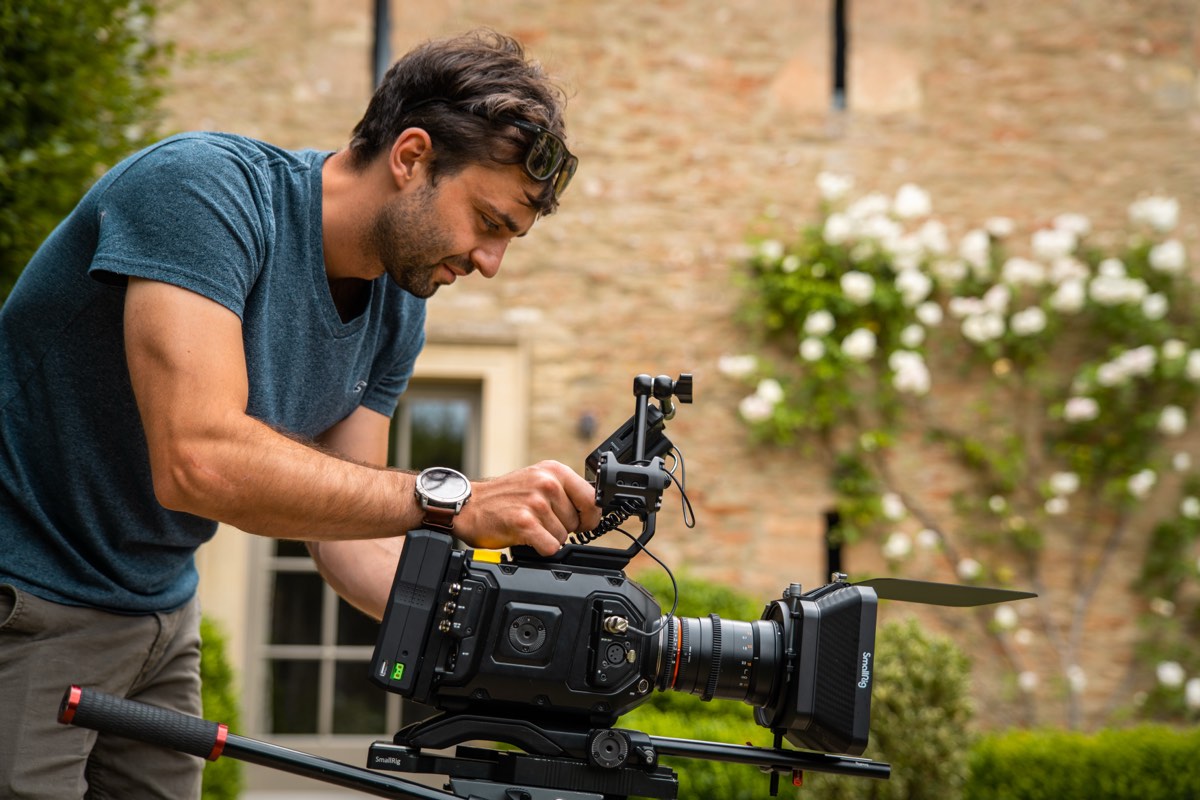
This is an opinionated piece. I am not going to pretend it is objective, because the things that separate a good videographer from a great one are, to some degree, matters of taste and priority. But I have been doing this long enough to know what I look for when I am hiring a camera operator for a larger production through Singularity Film, and I know what clients should be looking for when they are hiring a videographer for any project. The answer is almost never the camera.
The industry has a gear problem. Online forums, YouTube channels, and social media are saturated with content about cameras, lenses, and accessories. Which sensor is sharpest. Which lens has the nicest bokeh. Which gimbal is smoothest. And while gear matters to a point, the obsession with equipment creates a false impression that the camera makes the videographer. It does not. A great videographer with a mid-range camera will produce better work than a mediocre videographer with the best camera money can buy. Every single time. The camera is a tool. The craft is in the person holding it.
Lighting knowledge: the single biggest differentiator
If I could only evaluate a videographer on one skill, it would be this. Can they light a scene? Not just turn on a light and point it at the subject, but actually control light with intention. Shape it. Motivate it. Use it to create depth, mood, and dimension in the frame.
Most videographers can shoot in good natural light. When the sun is in the right position, the location is photogenic, and everything falls into place, the results look good. But the real test is what happens when the conditions are bad. An office with overhead fluorescents. A conference room with no windows. A restaurant at lunchtime with harsh light pouring through one side. A warehouse with a single sodium lamp in the ceiling. These are the environments where most commercial video gets shot, and they are the environments where lighting knowledge separates professionals from enthusiasts.
A great videographer walks into any space and sees the light before they see anything else. They know where the shadows will fall. They know which direction the key light should come from. They know how to use negative fill to deepen contrast, how to use a bounce to lift shadows without flattening the image, and how to mix artificial light with ambient light so it looks natural rather than artificial. This knowledge does not come from watching tutorials. It comes from years of practice, failure, and repetition.
Storytelling instinct
A videographer is not just a camera operator. A camera operator points the camera where they are told. A videographer decides what story to tell and how to tell it visually. That requires instinct, not just technical skill.
Storytelling instinct manifests in small decisions that accumulate. Choosing to hold a wide shot for three seconds longer because the moment needs space. Cutting to a detail shot of someone's hands because their hands are telling a story their words are not. Knowing that the B-roll of an empty office at 6am says more about company culture than any interview answer. Recognising when a subject says something genuinely honest and having the discipline to let the silence after it breathe instead of immediately asking the next question.
These are editorial decisions. They happen in real time, on set, without the luxury of stepping back and thinking about them. A videographer with storytelling instinct makes them unconsciously because they have internalised the principles of narrative structure, pacing, and emotional rhythm. A videographer without it produces competent footage that does not add up to anything. The shots are well-exposed. The focus is sharp. And the final film has no pulse.
Adaptability on set
Plans are essential. I spend significant time on pre-production for every project: shot lists, lighting plans, schedules, location recces. And then the shoot day arrives and something changes. The location looks different from the recce photos because they have rearranged the furniture. The key interviewee is unavailable until the afternoon. It starts raining on the exterior shoot. The CEO wants to change the entire messaging of the video twenty minutes before their interview.
A great videographer adapts without panic. They do not pretend the plan is still working when it is not, and they do not abandon structure entirely. They adjust. They find the opportunity in the disruption. The rain on the exterior shoot becomes a moody, atmospheric sequence that would not have existed without it. The furniture rearrangement reveals a better background than the one in the original plan. The CEO's last-minute messaging change, frustrating as it is, produces more honest content because they are saying what they actually want to say rather than what was scripted for them.
Adaptability is a function of experience. The more situations you have navigated, the less any individual problem feels like a crisis. The first time the key light fails mid-interview, it is a disaster. The twentieth time, it is a minor inconvenience that you solve in ninety seconds because you carry backup units and know how to swap them without losing the moment.
I carry at least one backup for every critical piece of equipment. Second camera body. Second set of wireless lavs. Multiple light units. Spare batteries for everything. Redundancy is not overcaution. It is professionalism.
Communication with non-actors
Most people a commercial videographer films are not actors. They are business owners, employees, experts in their field, and enthusiasts. They are people who know their subject deeply and have never been in front of a camera before. Getting natural, compelling footage from these people is a skill that has nothing to do with the camera and everything to do with the person behind it.
A great videographer manages energy in a room. They read body language. They know when someone is warming up and needs more time, and when someone has peaked and needs to be wrapped before their energy drops. They know that the most important thing they can do in the first five minutes is make the subject laugh, because laughter releases the physical tension that makes people look stiff on camera. They know that asking someone to repeat an answer does not produce the same answer. It produces a rehearsed version of the answer, which is almost always worse.
This is a people skill, not a technical skill. And it is one of the hardest things to teach because it requires genuine curiosity about other people. The videographers who are best at this are the ones who are genuinely interested in what the person in front of the camera has to say. That interest shows in the footage. The questions are better. The follow-ups are more natural. The subject relaxes because they sense they are being listened to, not just recorded.
Post-production taste
The edit is where the film is actually made. I know videographers who are exceptional shooters and terrible editors, and the reverse. The great ones are strong at both, because they shoot with the edit in mind and edit with an understanding of what was possible to shoot.
Post-production taste means knowing when to cut and when to hold. It means colour grading that enhances the footage without screaming for attention. It means sound design that supports the visuals without competing with them. It means knowing which music track works and which one is just the first result in the library that seemed vaguely appropriate. It means having the discipline to cut a beautiful shot from the final film because it does not serve the story, even though you spent thirty minutes setting it up on the day.
Taste is hard to evaluate from a showreel because showreels are designed to impress in sixty seconds. Look at full projects instead. Watch a complete film the videographer has produced, start to finish. Does it hold your attention? Does the pacing feel right? Does the grade feel consistent? Do the cuts feel intentional? These are the things that reveal post-production taste, and they only become visible when you watch enough of the work to see the sustained quality, not just the highlights.
Reliability and professionalism
This should be a given, but it is not. The freelance video industry has a reliability problem. Missed deadlines, unanswered emails, last-minute cancellations, and a general vagueness about timelines and deliverables are more common than they should be. Part of this is the nature of creative freelancing: the people drawn to it are often motivated by the creative work and less naturally inclined toward the administrative side. But reliability is not optional for professional work. It is the foundation everything else is built on.
A great videographer responds to emails promptly, delivers on the date they quoted, communicates proactively when timelines shift, and treats the business relationship with the same care they treat the creative work. They invoice on time. They have insurance. They have contracts. They have backup plans. These are not exciting qualities to list alongside lighting knowledge and storytelling instinct, but they are the qualities that determine whether a client comes back for a second project.
Kit ownership and maintenance
This is not about gear snobbery. It is about preparedness. A videographer who owns their kit knows it intimately. They know its strengths, its limitations, its quirks, and its failure points. They can operate it in the dark, under pressure, without looking at the menus. That familiarity translates directly to confidence on set and speed of operation.
A videographer who rents everything for each job is learning the equipment on your time. They are figuring out the menu system while you are waiting. They are discovering that the rental lens has a slight front-focus issue during your CEO's interview, not during prep. Renting specialist equipment for specific jobs is normal and sensible. But the core kit, the camera, lenses, audio, and lighting, should be owned, maintained, and known inside out.
Maintenance is the other half. Cleaned lenses. Formatted cards. Charged batteries. Tested cables. Updated firmware. These are the boring disciplines that prevent problems on set. A great videographer does this after every shoot, not the morning of the next one.
Continuous learning
The industry changes. Not as fast as the marketing around new cameras would suggest, but it changes. New lighting technology. New post-production techniques. New distribution platforms that require different shooting approaches. New ways of telling stories. A videographer who stopped learning five years ago is producing five-year-old work, even if their gear is current.
The best videographers I know are constantly studying. Not just new equipment, but the work of other filmmakers, cinematographers, and storytellers. They watch films with a critical eye. They reverse-engineer commercials they admire. They practice techniques on personal projects before deploying them on client work. They are invested in the craft, not just the business.
When you are evaluating a videographer, look at the trajectory of their work over time. Is their most recent project their best project? If the answer is yes, you are looking at someone who is still growing. If their best work is from three years ago and everything since looks the same, you are looking at someone who has plateaued. Craft either progresses or it stagnates. There is no middle ground.
Related
- How to prepare your team for a video shoot
- Documentary filmmaking for brands
- Music video production guide
Looking for a videographer?
Full cinema kit, lighting-first approach, reliable delivery. Let's talk about your project.
Get in touch