A job listing is text on a screen. It tells a candidate what the role involves, what qualifications they need, and what the salary is. What it cannot do is show them what it actually feels like to work there. That is what a recruitment video does, and it is why the good ones work so well.
I have made recruitment films for organisations ranging from county councils to tech companies to hospitality groups. The ones that produce results share the same qualities. The ones that fail share the same mistakes. Here is how to tell the difference and how to commission one that actually helps you hire.
Why recruitment video works
Candidates, particularly younger candidates, research employers before applying. They look at Glassdoor reviews, LinkedIn profiles, and the company website. If your careers page has a well-produced video showing real employees talking honestly about their work, it does something a written job description cannot. It builds trust before the first interview.
A written listing says "we have a great team culture." A video shows it. There is no comparison in terms of persuasive power. The candidate sees the office, hears from actual staff, gets a sense of the atmosphere. They either connect with it or they do not, and both outcomes are useful. The ones who connect apply with genuine enthusiasm. The ones who do not self-select out, saving everyone time.
Recruitment videos also signal that an organisation takes its employer brand seriously. In competitive markets, where the best candidates have multiple offers, that signal matters. It says: we invest in how we communicate. We think about how we are perceived. We care about this enough to put proper resources behind it.
What makes a bad recruitment video
You have seen them. Everyone has seen them. The formula is always the same.
- An employee sits in front of a branded backdrop reading from a script, clearly uncomfortable.
- Generic stock footage of people typing on laptops, shaking hands, and laughing in a meeting room that is clearly not the company's actual meeting room.
- Upbeat royalty-free music that sounds like every corporate video you have ever watched.
- A voiceover talking about "innovation," "collaboration," and "making a difference" without a single specific example of any of those things.
- It is four minutes long and says nothing a paragraph of text could not say better.
This type of video actively harms your recruitment. It tells candidates you are not being honest about what working there is actually like. If your real office looks nothing like the stock footage and your real culture is nothing like the scripted testimonials, the candidates who show up will feel misled. That is a terrible way to start an employment relationship.
What makes a good recruitment video
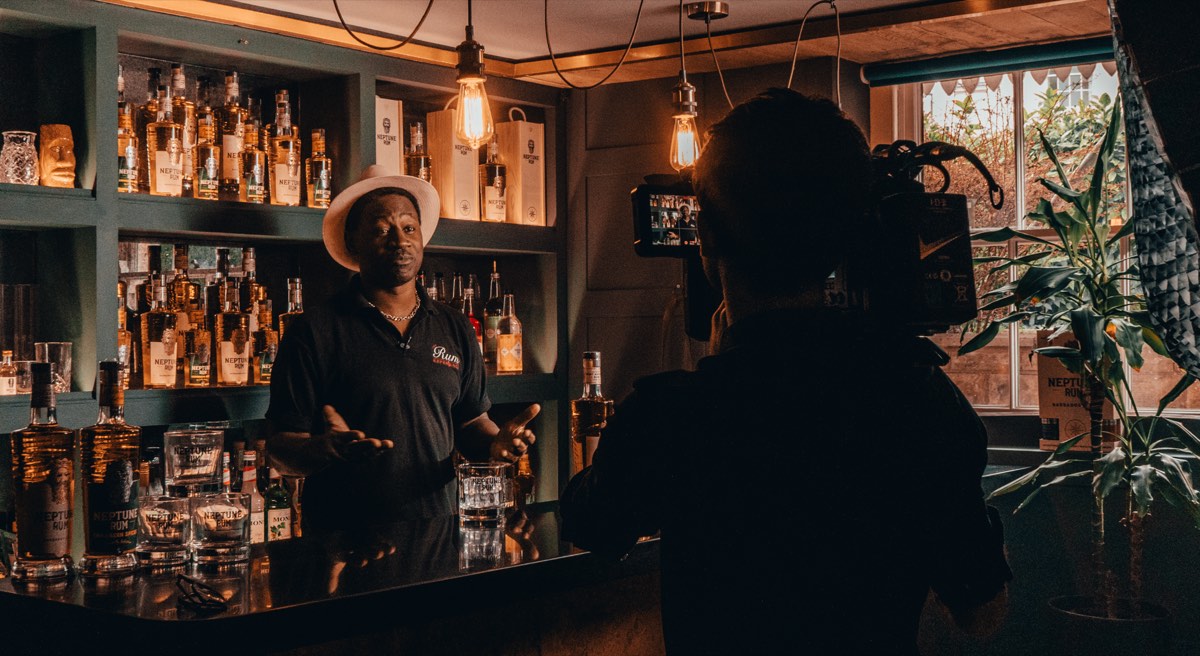
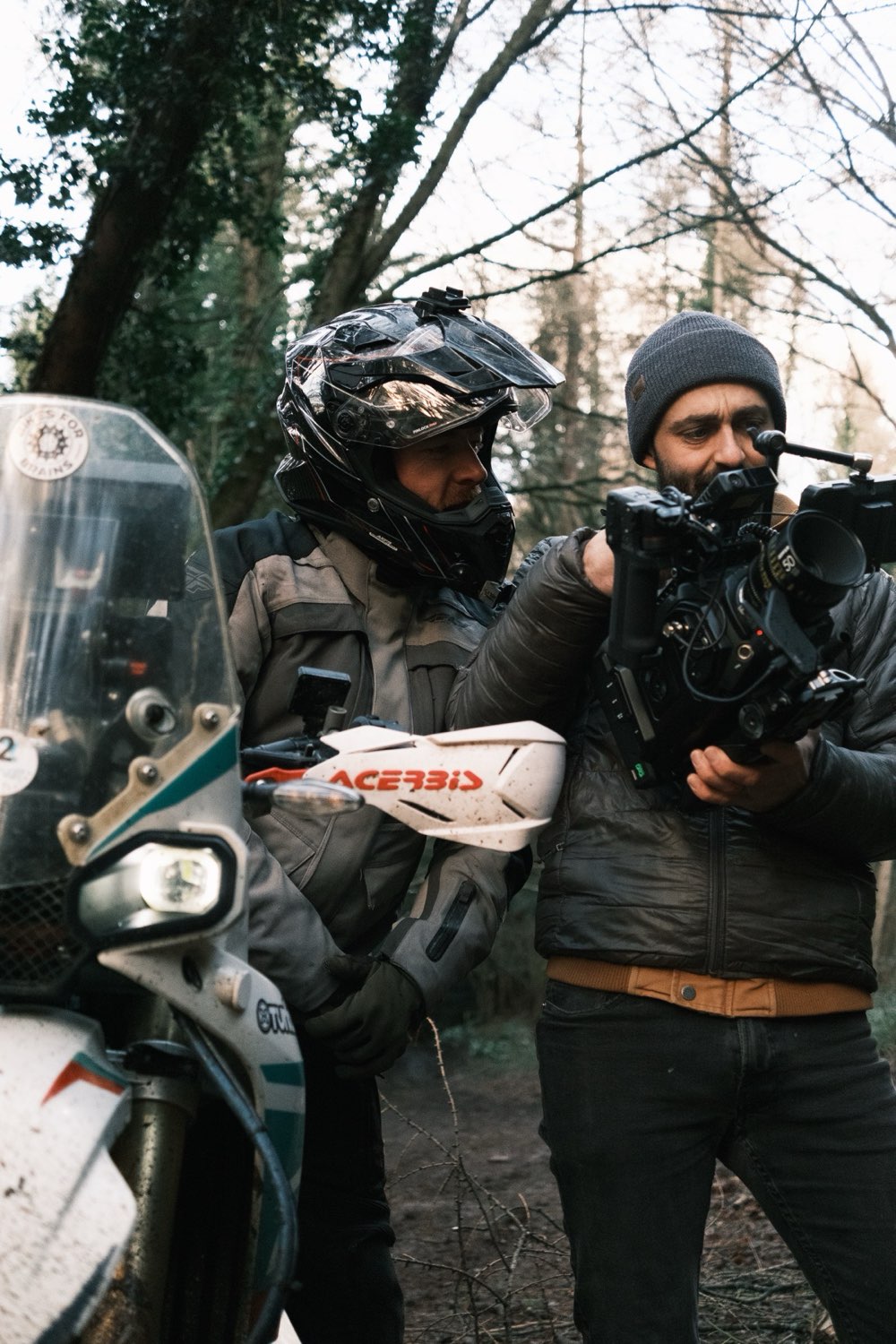
The best recruitment videos I have made follow a documentary approach. No scripts. No stock footage. No staged scenarios. Instead, genuine interviews with real employees in their actual working environment, combined with observational footage of the workplace.
Here is what that looks like in practice:
Real interviews, not scripted testimonials. I give the subject a set of open questions and let them answer in their own words. We do not rehearse. I do not show them a script. The warmth and hesitation and honesty of an unrehearsed answer is what makes it convincing. A polished, rehearsed delivery signals to the viewer that someone is reading from approved messaging. An imperfect, genuine answer signals that this person actually means what they are saying.
Real locations. If the office has mismatched furniture and a slightly cluttered kitchen, film it honestly but light it well. Authenticity is the entire point. If you replace your real environment with a sterile set, you are just making a more expensive version of the bad video.
Specific stories, not generic claims. Instead of "I love working here because of the team," draw out a specific story. What project went well? What was hard? What did you learn? Specificity is persuasive. Generalities are forgettable.
Diverse voices. Feature people at different levels of the organisation, in different roles, with different lengths of tenure. A new joiner's experience is different from a ten-year veteran's, and candidates want to hear both.
How to prepare your employees for camera
Most people are nervous about being filmed. That is normal and manageable. Here is what I tell clients before a recruitment video shoot.
Do not make anyone do it who does not want to. An unwilling participant looks unwilling on camera. Ask for volunteers and you will find the people who are naturally comfortable and enthusiastic. Those are the people you want representing the company.
Give them the questions in advance. Not a script. The questions. Let them think about their answers overnight. They will arrive on set with formed thoughts but unrehearsed words, which is the ideal combination.
Start with easy questions. I always begin with something simple. "Tell me your name and what you do here." By the time we get to the substantive questions, they have settled in and forgotten about the camera. The first five minutes of any interview are throw-away warm-up anyway.
Keep the crew small. A single camera operator with a small lighting setup is far less intimidating than a full production crew. For most recruitment videos, one experienced videographer is all you need.
I once filmed a recruitment documentary for a county council. The brief was to show why people should consider working in local government. The interviews were honest, unscripted, and occasionally critical of the challenges involved. The final film worked precisely because it did not pretend everything was perfect. Candidates trusted it.
How long should a recruitment video be?
Under two minutes for the main film. Ideally ninety seconds. You can produce longer-form content, but the primary piece that sits on your careers page or job listing needs to hold attention and deliver its message quickly.
If you have filmed six employees, consider producing the main film at 90 seconds and then individual 30 to 60-second clips for each person. The short individual clips work well on LinkedIn and in job listings. They let you match specific content to specific roles. The software engineer's clip goes with the software engineering listing. The finance manager's clip goes with the finance listing.

Where to publish recruitment video
The video is only useful if candidates see it. Here is where recruitment video gets the most traction:
- Careers page. This is the primary home. It should be above the fold, auto-playing on mute with captions. Candidates who visit your careers page are already interested. The video converts that interest into an application.
- Individual job listings. Embedding a short clip directly in the listing increases engagement significantly. Most job platforms support video embedding. If yours does not, link to it.
- LinkedIn. Organic video on LinkedIn reaches further than text or image posts. A recruitment video posted from the company page, with a link to the listing in the comments, gets in front of passive candidates who are not actively job searching.
- Recruitment agencies. If you work with agencies, give them the video. It helps them pitch the role to their candidates and positions your company more favourably against competitors.
- Job fairs and university events. A short loop playing on a screen at your stand draws people over. It starts the conversation for you.
What does recruitment video production cost?
For a single-day shoot capturing four to six interviews plus workplace b-roll, expect to pay between £995 and £2,500 for the production, depending on the videographer and the scope. Post-production (editing, colour grading, sound mix, captions, music licensing) is typically quoted separately.
A realistic budget for a well-produced 90-second recruitment film with individual clips for each interviewee is £2,000 to £4,000 total. That covers the shoot day, editing, licenced music, and multiple deliverables.
Compare that to agency recruitment fees, which typically run at 15 to 25 percent of the hire's salary. If a recruitment video helps you fill even one role without an agency, it has paid for itself several times over. Most of my clients use their recruitment films for two to three years before refreshing them.
For larger recruitment film projects or multi-day documentary productions, I work through Singularity Film. For a straightforward single-day recruitment shoot, get in touch directly.
Related
- What to expect on a corporate video shoot day
- Videographer vs production company
- Videographer Birmingham
Planning a recruitment video?
Documentary-style interviews, real locations, honest storytelling.
Get in touch