If you have never commissioned a video before, the process can feel opaque. You know you want a video. You have a rough idea of what it should look like. But you are not sure what happens between that first conversation and the moment a finished file lands in your inbox. This is a plain-language walkthrough of how the video production process works, from the very first email to final delivery, with honest timelines and a clear explanation of what you need to do at each stage.
I am writing this from the perspective of a freelance videographer handling projects for businesses, but the process is broadly the same whether you are working with a solo operator or a larger production company. The scale changes, the structure does not.
1. The brief and discovery call
Everything starts with a conversation. Sometimes this is a detailed written brief. More often, it is an email that says something like "we need a video for our website" followed by a phone call to figure out what that actually means.
The purpose of the discovery call is to understand several things:
- What is the video for? Website hero content, social media ads, internal training, investor pitch, recruitment? The intended use determines almost everything about how the video is made.
- Who is watching it? Your customers, your staff, potential hires, investors? The audience shapes the tone, length, and style.
- What does success look like? More enquiries? Better staff retention? A specific number of views? Knowing the goal helps me make decisions during production that serve that outcome.
- What is the budget? This is not a trick question. Knowing the budget early lets me design a production that delivers the best result within that figure, rather than building a wish list and then cutting it back.
- What is the timeline? When do you need the final video? Working backwards from the deadline determines how much pre-production time is available.
This call typically lasts 20 to 40 minutes. By the end of it, I should have enough information to put together a proposal.
What you need to do: Be as honest as possible about your budget and timeline. Vague answers at this stage lead to mismatched expectations later. If you do not have a fixed budget, give a range. If you do not have a deadline, say so.
Timeline: 1 to 3 days from first contact to discovery call.
2. Treatment and proposal
After the discovery call, I put together a treatment document. This is not a script. It is a written outline of the proposed approach: the visual style, the structure, the key moments, the overall feel. For a corporate project, it might describe the interview setup, the types of B-roll to be captured, and how the final edit will be structured. For a commercial piece, it might include mood board references and a rough narrative arc.
Alongside the treatment, you will receive a quote. This breaks down the cost into clear line items: shoot day rate, edit time, any additional crew, equipment hire, travel, and deliverables. I work on a fixed day rate of 995 for the shoot, with post-production quoted separately based on scope.
What you need to do: Read the treatment carefully. This is the time to flag anything that feels wrong. If the tone is off, if you expected something different, if there are elements missing, say so now. Changes at this stage cost nothing. Changes after the shoot cost a lot.
Timeline: 3 to 5 working days to receive the treatment and quote after the discovery call. Revisions may add another 2 to 3 days.
3. Pre-production
Once the treatment is approved and the booking is confirmed, pre-production begins. This is the planning stage, and it is where the real work of making a good video starts. Skipping pre-production or rushing it is the single most common reason videos turn out badly.
Pre-production includes:
- Location recce. I visit the shooting location in advance to assess lighting conditions, power supply, background options, noise levels, and parking. For a corporate interview, I need to know which rooms work on camera and which ones do not. For an outdoor shoot, I need to understand the light at different times of day.
- Shot list. A detailed list of every shot needed, organised by location and time of day. This is the shooting plan. On the day, we work through the list systematically. Without it, you end up improvising, and improvisation wastes time.
- Logistics. Call times, crew parking, equipment loading, talent wardrobe, catering, access arrangements. None of this is glamorous, but all of it matters.
- Interview questions. If the video includes interviews or talking heads, I write the questions in advance and share them with the subjects. Not so they can rehearse scripted answers, but so they know broadly what to expect. This reduces anxiety on the day.
The recce is one of the most valuable parts of the process. Problems that would burn an hour of shoot time get solved in advance for free. I always recommend it.
What you need to do: Confirm access to the location, provide any brand guidelines or existing assets, brief the people who will appear on camera, and respond to any logistics questions promptly. Slow responses during pre-production compress the schedule and reduce the quality of the planning.
Timeline: 1 to 3 weeks, depending on complexity. A simple talking head needs a few days. A multi-location shoot with multiple contributors needs more.
4. The shoot day
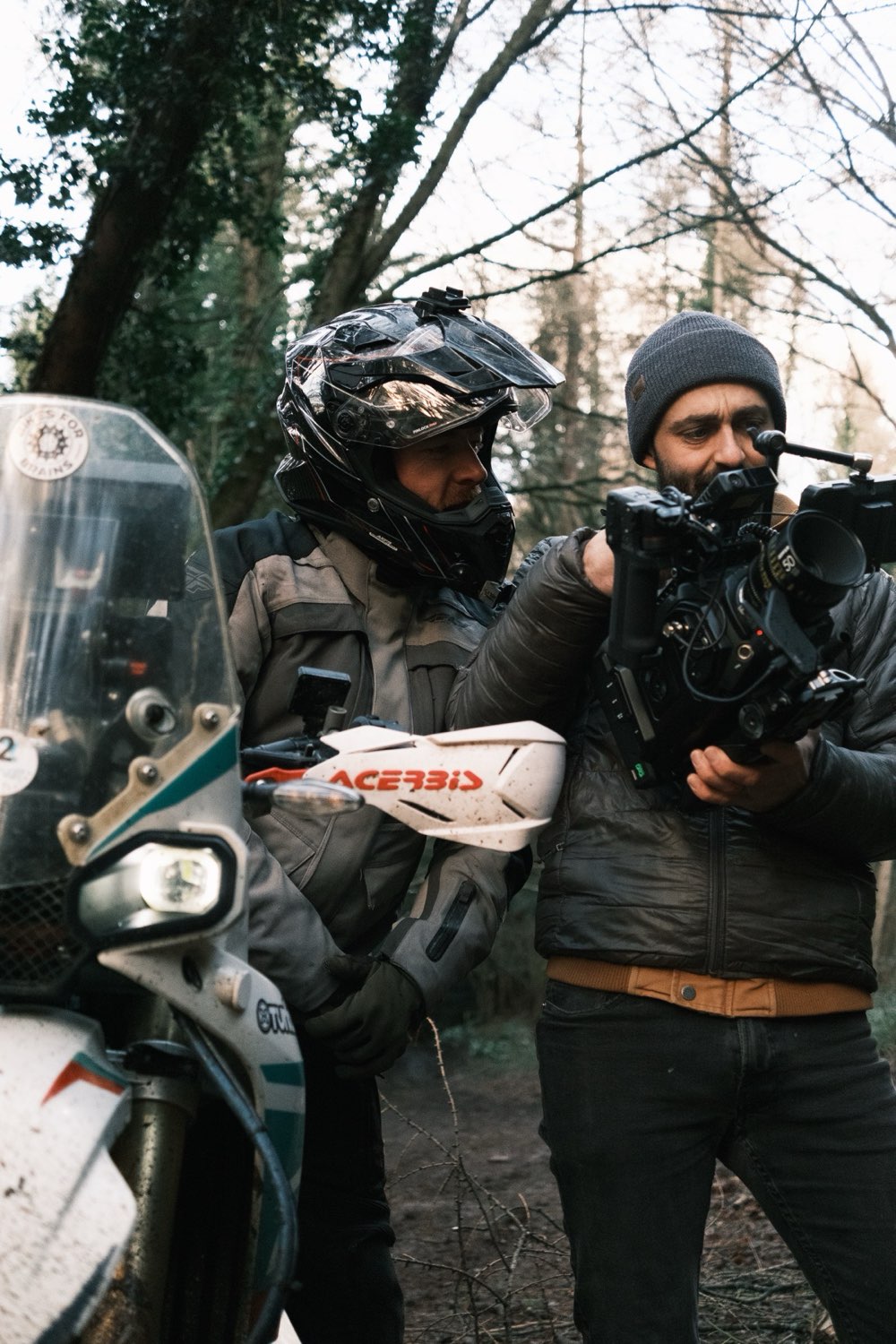
This is what most people think of when they imagine video production. Cameras, lights, action. In reality, a well-planned shoot day is calm and methodical. The chaos only happens when the planning was not done properly.
A typical corporate shoot day for me runs roughly like this:
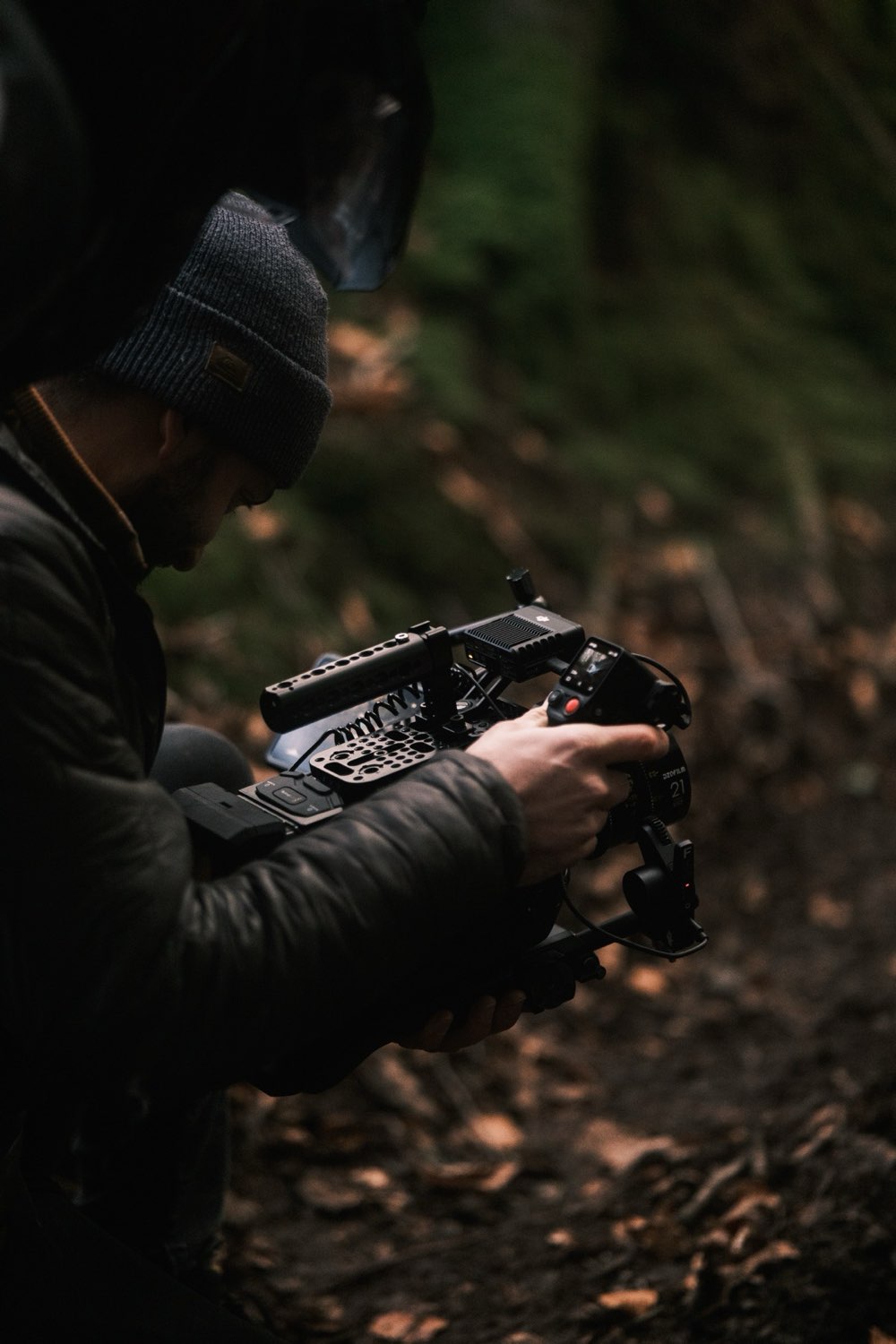
- Arrive and load in (60 to 90 minutes before first shot). Equipment comes in, lights go up, camera gets built, audio gets tested. This takes longer than people expect. A full lighting setup for an interview takes 30 to 45 minutes.
- First setup. Usually the most important shot of the day, scheduled when the energy is fresh and the schedule has the most slack.
- Work through the shot list. Moving between setups, adjusting lights, swapping lenses, capturing B-roll between main setups. Each transition between camera positions takes time for re-lighting and re-framing.
- Wrap and load out. Equipment comes down, gets packed, and goes back in the vehicle. I typically do a final card check on location to confirm all footage has been captured and backed up.
What you need to do: Have the location ready and accessible at the agreed time. Make sure anyone appearing on camera is available and briefed. Keep observers to a minimum. The more people watching, the more self-conscious the on-camera talent becomes. Designate one person as the point of contact on the day so I am not fielding requests from six different stakeholders.
Timeline: A standard shoot day is 10 hours including setup and wrap. Some projects need half a day, some need two or three full days.
5. The edit
Editing is where the raw footage becomes a video. This happens in stages, and each stage serves a different purpose.
Assembly (1 to 2 days). All the footage is ingested, organised, and synced. The best takes are selected. A rough assembly is built following the planned structure. This is an internal step and you will not usually see the output.
Rough cut (2 to 5 days). The assembly is refined into a rough cut. This has the correct structure, the key interview soundbites are selected, B-roll is placed, and the pacing is established. Music is added as a placeholder or final track. This is the first version you see.
The rough cut is where the most important feedback happens. At this stage, structural changes are still straightforward. If a section needs reordering, shortening, or a different emphasis, this is the time to say so.
Fine cut (1 to 3 days after feedback). Based on your notes, the rough cut is refined. Timing is tightened, B-roll selections are finalised, transitions are polished. By the end of the fine cut, the video should be very close to finished in terms of content and pacing.
What you need to do: Watch the rough cut in full, ideally more than once. Give consolidated feedback. This means gathering notes from all stakeholders and sending them as a single document, not a series of contradictory emails from different people over the course of a week. Be specific. "The middle section feels slow" is useful. "I don't like it" is not.
Timeline: Expect 1 to 2 weeks from shoot day to rough cut, depending on the complexity of the edit and current workload.
6. Colour grade and sound mix
Once the fine cut is locked, two technical processes happen. These are what separate a video that looks and sounds professional from one that looks like raw footage with music laid on top.
Colour grading is the process of adjusting the colour, contrast, and tone of every shot so they are consistent with each other and match the intended visual style. Raw footage from a cinema camera is deliberately flat and desaturated. It is designed to capture the maximum amount of information. The grade is where you shape that information into a look. Warm and inviting for hospitality. Clean and clinical for tech. Rich and cinematic for brand films.
Sound mixing involves balancing dialogue levels, music levels, and any ambient sound or sound effects so everything sits together properly. Dialogue needs to be clear and consistent. Music needs to support without overwhelming. Background noise needs to be managed. A good sound mix is invisible. A bad one is the first thing people notice.
What you need to do: Nothing, unless you have specific preferences for the colour treatment. If you have brand colours or a visual reference you want the grade to match, share those before this stage.
Timeline: 1 to 3 days, depending on the length and complexity of the project.
7. Delivery and formats
The final video is exported and delivered in the formats you need. This sounds simple, but it is worth discussing in advance because different platforms have different requirements.
- Website: Typically H.264 or H.265, 1080p or 4K, optimised for fast loading.
- Social media: Each platform has preferred aspect ratios and length limits. A 16:9 landscape edit for YouTube, a 9:16 vertical cut for Instagram Reels and TikTok, a 1:1 square version for LinkedIn feed posts.
- Broadcast: ProRes or DNxHR master files, specific frame rates, and technical specifications for the broadcaster.
- Internal use: Whatever works for your systems. Often a high-quality H.264 file is sufficient.
I deliver files via a secure download link. Master files are archived for 12 months. If you need additional format variations after delivery, those can usually be turned around within 24 to 48 hours.
Decide your delivery formats before the edit starts. Cutting a horizontal video into a vertical one is not just a crop. It often requires re-framing, re-editing, and sometimes different shot selections entirely.
What you need to do: Confirm the formats and aspect ratios you need as early as possible, ideally during the brief stage. Late requests for additional formats can add time and cost.
Timeline: Final delivery is typically 24 to 48 hours after the grade and mix are complete.
The full timeline at a glance
For a straightforward single-day corporate video shoot with one edit deliverable, the typical timeline from first contact to delivery is 4 to 6 weeks. Here is how that breaks down:
- Discovery call: Day 1 to 3
- Treatment and quote: Day 4 to 8
- Pre-production: Day 9 to 20
- Shoot: Day 21 to 22
- Edit (assembly through fine cut): Day 23 to 33
- Grade and mix: Day 34 to 36
- Delivery: Day 37 to 38
This can be compressed for urgent projects or extended for complex ones. A simple social media video might go from brief to delivery in two weeks. A multi-day brand film with motion graphics and multiple deliverables might take 8 to 12 weeks.
The most common cause of delays is slow feedback. Every day a rough cut sits in someone's inbox waiting for notes is a day added to the delivery date. If you want the project to move efficiently, designate one decision-maker and give them the authority to approve each stage promptly.
If you are planning a video project and want to talk through the process, get in touch. For larger productions with multiple shoot days, additional crew, and complex post-production, Singularity Film manages that scale of work.
Related
Ready to start a video project?
From brief to delivery, every step handled. Get in touch to discuss your project.
Get in touch